Seaside Nehe: A Rare Hawaiian Treasure for Your Coastal Garden
Meet the seaside nehe (Lipochaeta succulenta), a charming little Hawaiian native that’s as rare as it is beautiful. This succulent herb might not be the flashiest plant in the garden center, but for those passionate about preserving Hawaii’s unique flora, it’s absolutely worth knowing about—and growing responsibly.
What Makes Seaside Nehe Special?
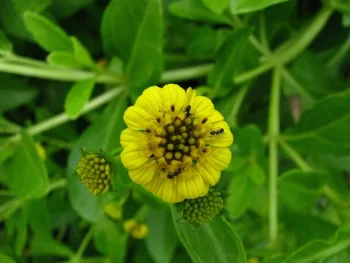
Seaside nehe is a perennial forb that belongs to the sunflower family, though you’d never guess it at first glance. Unlike its towering cousins, this little guy stays low to the ground, producing small yellow daisy-like flowers and thick, succulent leaves that help it survive in Hawaii’s challenging coastal conditions.
As a native Hawaiian plant, seaside nehe has been calling the islands home long before any of us arrived. It’s perfectly adapted to life by the sea, with natural salt tolerance and drought resistance that would make any coastal gardener jealous.
Where Does It Grow?
This endemic species is found exclusively in Hawaii, where it clings to coastal areas and weathered volcanic soils. Unfortunately, seaside nehe has become increasingly rare in the wild, with only 6 to 20 known populations remaining and an estimated 1,000 to 3,000 individual plants left in existence.
- Species observed
- No observations
A Word About Conservation
Important: Seaside nehe has a Global Conservation Status of S2, meaning it’s imperiled and extremely vulnerable. If you’re interested in growing this plant, please only source it from reputable native plant nurseries or conservation programs that use ethically propagated material. Never collect from wild populations—every plant counts for this species’ survival.
Growing Seaside Nehe: What You Need to Know
If you’re lucky enough to find responsibly sourced seaside nehe, here’s how to give it the best home possible:
Ideal Growing Conditions
- Climate: USDA zones 10-12 only (this is a tropical plant through and through)
- Sunlight: Full sun to partial shade
- Soil: Well-draining soil is absolutely essential—think sandy or rocky conditions
- Water: Drought tolerant once established, but appreciates occasional watering
- Salt tolerance: Excellent for coastal locations
Perfect Garden Settings
Seaside nehe shines in:
- Coastal gardens where salt spray is a concern
- Rock gardens with excellent drainage
- Native Hawaiian plant collections
- Drought-tolerant landscapes
- Conservation gardens focused on rare species
Care and Maintenance
The good news? Seaside nehe is refreshingly low-maintenance once you get the basics right. Water sparingly—this plant has evolved to handle Hawaii’s dry coastal conditions. Overwatering is probably the fastest way to lose it.
Because it’s a facultative wetland plant, seaside nehe can handle some moisture, but it definitely prefers the drier side of things. Think occasional sip of water rather than daily drink.
Supporting Pollinators and Wildlife
While we don’t have extensive data on seaside nehe’s specific wildlife benefits, plants in the Asteraceae family typically support various pollinators. Those small yellow flowers likely attract native Hawaiian insects, contributing to the local ecosystem’s health.
Why Grow Seaside Nehe?
Choosing to grow seaside nehe isn’t just about adding another plant to your collection—it’s about participating in conservation. By growing this rare species in your garden, you’re helping maintain genetic diversity and potentially contributing to future restoration efforts.
Plus, there’s something deeply satisfying about successfully growing a plant that’s perfectly adapted to your local conditions. Seaside nehe doesn’t need to be babied or constantly fussed over—it just needs the right spot and a gardener who respects its wild heritage.
The Bottom Line
Seaside nehe might not be the easiest Hawaiian native to find, but for conservation-minded gardeners in tropical zones, it’s absolutely worth seeking out from ethical sources. Just remember: with great rarity comes great responsibility. If you’re blessed with the opportunity to grow this special plant, you’re not just a gardener—you’re a conservation partner.
Ready to add some rare Hawaiian beauty to your coastal garden? Start by connecting with local native plant societies and conservation groups. They’re your best bet for finding responsibly sourced seaside nehe and learning more about supporting Hawaii’s incredible endemic flora.