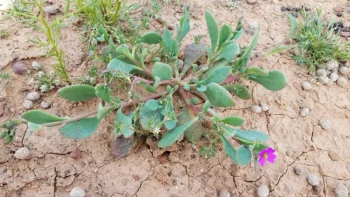
Seaside Pussypaws: A Charming Native for Coastal Gardens
If you’re looking to add a touch of coastal California magic to your garden, meet seaside pussypaws (Cistanthe maritima) – a delightful little native that’s as charming as its quirky name suggests. This unassuming annual brings authentic coastal character to gardens while supporting local ecosystems.
What Makes Seaside Pussypaws Special?
Seaside pussypaws is a true California native, found naturally along the state’s coastal regions. This hardy little forb – that’s garden-speak for a soft-stemmed flowering plant – has adapted beautifully to life by the sea. You might also see it listed under its former scientific name, Calandrinia maritima, but don’t let the botanical jargon intimidate you.
As an annual plant, seaside pussypaws completes its entire life cycle in one growing season, making it perfect for gardeners who enjoy seasonal variety and don’t mind replanting each year.
Where Does It Call Home?
This coastal native is exclusively found in California, where it thrives in sandy beaches, coastal bluffs, and other seaside environments. Its natural habitat gives us excellent clues about how to grow it successfully in our own gardens.
- Species observed
- No observations
A Word About Conservation
Here’s something important to know: seaside pussypaws has a conservation status that means we need to be thoughtful about how we grow it. While it’s not critically endangered, it’s uncommon enough that we should only plant seeds or plants from responsible, ethical sources – never collect from wild populations. Think of it as being a good steward of our native plant heritage.
Garden Appeal and Design Uses
Don’t expect towering drama from this modest beauty. Seaside pussypaws stays low to the ground, producing small clusters of delicate pink to white flowers that have an almost succulent-like appearance. It’s perfect for:
- Coastal and seaside gardens
- Rock gardens and xeriscaping
- Ground cover in drought-tolerant landscapes
- Native plant gardens
- Areas where you want authentic California coastal character
Growing Conditions That Make It Happy
The good news is that seaside pussypaws isn’t fussy – it’s actually quite content with conditions that might challenge other plants. Here’s what it loves:
- Sunlight: Full sun is best
- Soil: Well-draining, sandy soil (think beach-like conditions)
- Water: Drought tolerant once established; actually prefers lean conditions
- Climate zones: USDA zones 9-11 (coastal and mild winter areas)
Planting and Care Tips
Growing seaside pussypaws is refreshingly straightforward:
- Direct sow seeds in fall for natural germination timing
- Choose a sunny spot with sandy or well-draining soil
- Water lightly until established, then let nature take over
- Avoid rich, fertile soil – this plant actually prefers poor conditions
- No need for fertilizer; it thrives on neglect
Supporting Local Wildlife
While seaside pussypaws might look delicate, it’s a valuable player in supporting local ecosystems. Its flowers attract small native bees and other beneficial insects, making it a wonderful addition to pollinator-friendly gardens. Every native plant we grow helps create habitat corridors for local wildlife.
Is Seaside Pussypaws Right for Your Garden?
Consider planting seaside pussypaws if you:
- Live in coastal California or similar mild climates
- Want authentic native plants in your landscape
- Enjoy low-maintenance, drought-tolerant gardening
- Have sandy or well-draining soil
- Want to support local pollinators and ecosystems
Remember, the key to success with any native plant is matching it to conditions similar to its natural habitat. For seaside pussypaws, think sun, sand, and minimal fuss – just like life at the beach.
By choosing this charming native, you’re not just adding beauty to your garden; you’re helping preserve a piece of California’s coastal heritage. And really, who wouldn’t want a plant with a name as endearing as pussypaws in their garden?