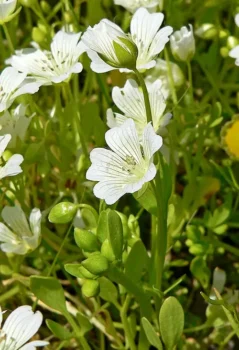
Sebastopol Meadowfoam: A Rare California Treasure Worth Protecting
If you’re passionate about native plants and conservation, you’ve likely heard whispers about some of California’s rarest botanical gems. Meet Sebastopol meadowfoam (Limnanthes vinculans), a tiny annual flower that packs a big conservation punch despite its diminutive size.
What Makes Sebastopol Meadowfoam Special?
This charming little forb is as rare as it is beautiful. Sebastopol meadowfoam is native exclusively to California, with an incredibly limited range around Sonoma County. What makes it truly special isn’t just its delicate white flowers with sunny yellow centers, but its critical conservation status that demands our attention and respect.
A Plant on the Brink
Here’s something that might surprise you: Sebastopol meadowfoam has a Global Conservation Status of S1, meaning it’s critically imperiled. In the United States, it’s classified as Endangered. With typically five or fewer occurrences and very few remaining individuals (less than 1,000), this plant is teetering on the edge of extinction. This rarity status means that while we absolutely should celebrate and protect this species, any cultivation attempts must use only responsibly sourced material.
Where Does It Call Home?
Sebastopol meadowfoam grows exclusively in California, particularly in the Sebastopol area of Sonoma County. This incredibly restricted geographic distribution is part of what makes it so vulnerable to extinction.
- Species observed
- No observations
A Wetland Specialist
This isn’t your typical garden annual. Sebastopol meadowfoam is classified as an Obligate Wetland plant in both the Arid West and Western Mountains regions, meaning it almost always occurs in wetlands. It’s specifically adapted to the unique conditions of vernal pools and seasonal wetlands that flood during winter and spring, then dry out completely during summer.
Should You Grow Sebastopol Meadowfoam?
The short answer is: only if you’re deeply committed to conservation and have the right conditions. Here’s what you need to know:
- Conservation value: Growing this species supports biodiversity and helps preserve California’s natural heritage
- Pollinator benefits: During its blooming period, it attracts native bees and other small pollinators
- Specialized requirements: Requires very specific vernal pool conditions that are nearly impossible to replicate in typical gardens
- Sourcing concerns: Due to its endangered status, you must only use responsibly sourced, legally obtained seeds or plants
Growing Conditions and Care
If you’re determined to attempt growing Sebastopol meadowfoam, understand that you’re taking on a significant challenge. This annual forb requires:
- Climate: Mediterranean conditions found in USDA hardiness zones 9-10
- Soil: Heavy clay soils that can hold water during winter and spring
- Water cycle: Seasonal flooding followed by complete summer drought
- Habitat: Vernal pool or constructed seasonal wetland conditions
The plant grows as a low forb without significant woody tissue, completing its entire life cycle as the seasonal wetland dries up. This specialized lifestyle makes it extremely difficult to cultivate outside its natural habitat.
The Bottom Line
Sebastopol meadowfoam represents both the beauty and fragility of California’s native plant communities. While most gardeners won’t be able to successfully grow this endangered species, we can all play a role in its conservation by supporting habitat protection efforts and choosing other native alternatives for our gardens.
If you’re inspired by this rare beauty but need something more garden-friendly, consider other California native annuals that support similar pollinators, such as common meadowfoam (Limnanthes alba) or baby blue eyes (Nemophila menziesii). These relatives can bring some of that meadowfoam magic to your garden while leaving the critically endangered Sebastopol meadowfoam to recover in its natural habitat.
Remember: sometimes the best way to love a plant is to admire it from afar while working to protect the wild spaces it calls home.