Sebucan: A Rare Caribbean Treasure Worth Protecting
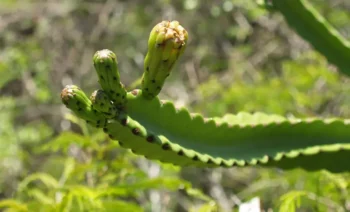
Meet the sebucan (Leptocereus grantianus), a remarkable columnar cactus that’s as rare as it is beautiful. This Caribbean native might not be on everyone’s gardening radar, but for those lucky enough to encounter it, this striking cactus offers a glimpse into the unique flora of Puerto Rico and the U.S. Virgin Islands.
What Makes Sebucan Special?
The sebucan is a perennial shrub that typically grows as a multi-stemmed woody plant, usually reaching heights of 13-16 feet, though it can sometimes grow taller or remain single-stemmed depending on environmental conditions. Its distinctive columnar form and ribbed stems create an architectural presence that’s hard to ignore.
You might also encounter this plant listed under its botanical synonym, Cereus grantianus, in older gardening references or plant databases.
Where Does Sebucan Grow Naturally?
Sebucan is native exclusively to Puerto Rico and the U.S. Virgin Islands, making it a true Caribbean endemic. This limited geographic distribution is part of what makes this species so special – and so vulnerable.
- Species observed
- No observations
A Conservation Alert: Handle With Care
Before we dive into growing tips, here’s something crucial every gardener should know: Sebucan carries a Global Conservation Status of S1, meaning it’s critically imperiled. With typically 5 or fewer occurrences and very few remaining individuals (less than 1,000), this species is also listed as Endangered in the United States.
If you’re considering adding sebucan to your garden, please ensure any plants come from reputable, responsibly-sourced suppliers who propagate from existing cultivated stock rather than wild-collected specimens. Better yet, consider supporting conservation efforts in its native habitat.
Garden Appeal and Design Role
When grown in appropriate conditions, sebucan serves as a stunning architectural element in the landscape. Its columnar growth habit makes it perfect as:
- A dramatic focal point in xerophytic or desert-themed gardens
- An accent plant in rock gardens
- A container specimen for those in colder climates
- Part of a native Caribbean plant collection
The plant produces beautiful white nocturnal flowers that open at night, attracting bats and night-flying moths – making it a valuable addition for supporting nighttime pollinators.
Growing Conditions and Care
Sebucan is adapted to tropical conditions and requires specific care to thrive:
Climate Requirements: This cactus is only suitable for USDA hardiness zones 10-11, where temperatures rarely drop below 30-40°F. In colder regions, container growing with winter protection indoors is essential.
Light and Soil: Provide full sun exposure and exceptionally well-draining soil. Like most cacti, sebucan is highly susceptible to root rot, so drainage is absolutely critical.
Watering: Once established, sebucan is quite drought tolerant. Water sparingly and allow soil to dry completely between waterings. Reduce watering even further during cooler months.
Special Considerations: Protect from frost at all costs, and be patient – cacti are generally slow growers, and rare species like sebucan may take time to establish.
Supporting Conservation Through Gardening
While sebucan can make a fascinating addition to the right garden, growing this endangered species comes with responsibility. Consider these approaches:
- Only source plants from verified propagation programs
- Connect with botanical gardens or conservation organizations working with Caribbean flora
- Share seeds or cuttings (where legal) with other responsible growers to maintain genetic diversity
- Support habitat conservation efforts in Puerto Rico and the U.S. Virgin Islands
The Bottom Line
Sebucan represents both the beauty and fragility of Caribbean ecosystems. While it can be grown successfully in tropical climates with proper care, its endangered status means every plant matters. If you choose to grow sebucan, you’re not just adding an unusual cactus to your garden – you’re becoming a steward of a species that desperately needs our help to survive.
For those in unsuitable climates or seeking more readily available alternatives, consider other columnar cacti that can provide similar architectural interest without the conservation concerns. Your local extension office can suggest appropriate native or non-invasive alternatives for your region.