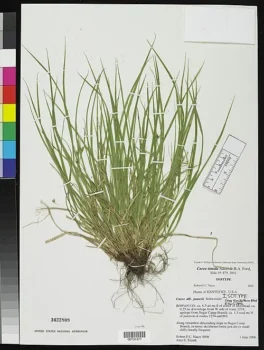
Growing Carex timida: A Rare Native Sedge Worth Protecting
Meet Carex timida, a humble yet important native sedge that’s quietly making its mark in specialized gardens across the southeastern United States. While this perennial grass-like plant might not win any flashy flower contests, it plays a crucial role in our native ecosystems and deserves a spot in the conversation about conservation gardening.
What Makes This Sedge Special?
Carex timida is a native perennial sedge that belongs to the Cyperaceae family, joining the ranks of other grass-like plants that form the backbone of many natural habitats. Don’t let the simple common name sedge fool you – this little plant packs some serious ecological punch, even if it does so quietly.
Where You’ll Find It Growing Wild
This native sedge calls eight states home: Alabama, Arkansas, Indiana, Kentucky, Missouri, Ohio, Oklahoma, and Tennessee. It’s perfectly adapted to the climate and conditions of the southeastern and south-central United States, having evolved alongside the region’s other native plants and wildlife over thousands of years.
- Species observed
- No observations
A Word About Rarity (This Is Important!)
Here’s where things get serious: Carex timida has a Global Conservation Status of S2S4, and in Arkansas, it’s ranked S2S3. In plain English, this means the plant is considered uncommon to rare across its range. If you’re thinking about adding this sedge to your garden, please – and we can’t stress this enough – only source it from reputable native plant nurseries that propagate their stock responsibly. Never collect from wild populations.
What It Looks Like and How It Grows
Carex timida won’t wow you with showy flowers or dramatic foliage, but it has its own understated charm. This perennial sedge produces narrow, grass-like leaves and small, brownish flower spikes that appear in spring. It’s the kind of plant that whispers rather than shouts, fitting perfectly into naturalistic garden designs where subtlety is valued.
Where This Sedge Shines in Your Landscape
This native sedge works best in:
- Specialized native plant gardens focused on regional flora
- Restoration projects aimed at recreating historical plant communities
- Areas where you want authentic local character
- Spots that need gentle erosion control with native plants
Growing Conditions That Make It Happy
Carex timida adapts to USDA hardiness zones 5 through 9, making it suitable for much of its native range and similar climates. Like many sedges, it appreciates:
- Moist to wet soil conditions
- Partial shade to full sun exposure
- Consistent moisture levels
- Well-draining soil that doesn’t stay waterlogged
Planting and Care Tips
The good news about Carex timida is that once established, it’s relatively low-maintenance. Here’s how to give it the best start:
- Plant in spring or fall when temperatures are moderate
- Ensure consistent moisture during the establishment period
- Mulch lightly to retain soil moisture
- Avoid heavy fertilization – native plants prefer lean soils
- Be patient – sedges can take time to fully establish
The Bottom Line: Should You Grow It?
If you’re passionate about native plants and conservation gardening, Carex timida could be a meaningful addition to your landscape. However, given its rarity status, this isn’t a plant for casual gardeners or those looking for dramatic garden impact. It’s better suited for dedicated native plant enthusiasts who understand the importance of preserving our regional flora.
Remember: only purchase from reputable sources that can guarantee their plants are nursery-propagated, not wild-collected. By choosing responsibly sourced plants, you’re supporting conservation efforts rather than contributing to the decline of wild populations.
While Carex timida might not be the star of your garden show, it represents something important – our connection to the native landscapes that once covered much of the southeastern United States. Sometimes the most meaningful plants are the ones that help us remember where we came from.