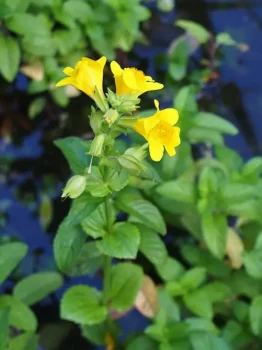
Seep Monkeyflower: A Cheerful Native for Your Water Garden
If you’re looking to add a splash of sunshine to your wetland garden or pond edge, meet the delightful seep monkeyflower (Mimulus guttatus). This native North American beauty brings bright yellow blooms and easy-going charm to any water-loving garden space.
What Makes Seep Monkeyflower Special
The seep monkeyflower is a native gem that’s perfectly at home across a massive range of North America. From the wilds of Alaska down through Canada and across most of the lower 48 states, this adaptable forb has made itself comfortable in wet places from coast to coast. You’ll find it thriving in states spanning from California to New York, and from Montana down to Arizona.
- Species observed
- No observations
As a true native, seep monkeyflower has been supporting local ecosystems for thousands of years, making it an excellent choice for gardeners who want to create habitat while enjoying beautiful blooms.
A Plant That Knows What It Wants
Here’s the thing about seep monkeyflower – it’s pretty much a water baby. This plant has earned its Obligate Wetland status across every region where it grows, meaning it almost always needs consistently moist to wet conditions. Think of it as the friend who always wants to hang out by the pool!
This herbaceous perennial (though it can behave as an annual in some conditions) grows as a forb, reaching up to 2.5 feet tall with a semi-erect, rhizomatous growth form. Its rapid growth rate means you won’t be waiting long to see results.
Garden Gold: Why You’ll Love This Plant
The seep monkeyflower brings serious aesthetic appeal to wet garden spaces:
- Bright yellow tubular flowers that bloom from mid-spring through summer
- Conspicuous, cheerful blooms that light up shady, moist areas
- Green foliage with a coarse texture that provides nice contrast
- Rhizomatous spreading habit that helps fill in wet areas naturally
But the real magic happens when pollinators discover your seep monkeyflower. Bees, butterflies, and even hummingbirds are drawn to its nectar-rich flowers, making it a fantastic addition to any pollinator garden.
Perfect Places for Seep Monkeyflower
This versatile native shines in several garden settings:
- Rain gardens – Perfect for managing runoff while looking beautiful
- Bog gardens – Thrives in consistently wet, boggy conditions
- Pond edges – Creates natural-looking transitions around water features
- Stream banks – Helps prevent erosion while providing habitat
- Native plant gardens – A must-have for authentic regional plantings
- Restoration projects – Excellent for re-establishing wetland habitats
Growing Seep Monkeyflower Successfully
The good news is that if you can provide the right conditions, seep monkeyflower is remarkably easy to grow. Here’s what it needs to thrive:
Growing Conditions
- Moisture: High water needs – think consistently moist to wet soil
- Light: Shade tolerant, perfect for those tricky wet, shady spots
- Soil: Adaptable to coarse, medium, or fine-textured soils
- pH: Prefers slightly acidic to neutral conditions (6.0-8.0)
- Fertility: High fertility requirements – benefits from rich, organic soil
Hardiness and Climate
Seep monkeyflower is remarkably cold-hardy, tolerating temperatures down to -38°F, making it suitable for USDA zones 3-9. It needs at least 110 frost-free days and performs best with 10-24 inches of annual precipitation.
Planting and Care Tips
- Propagation: Easily grown from seed (4 million seeds per pound!) or by dividing existing plants
- Timing: Plant in spring for best establishment
- Spacing: Allow 2,700-4,800 plants per acre for naturalized plantings
- Maintenance: Low maintenance once established – just ensure consistent moisture
- Spread: Moderate vegetative spread means it will fill in areas naturally without being aggressive
A Few Things to Keep in Mind
While seep monkeyflower is generally well-behaved, here are a few characteristics to consider:
- It has a relatively short lifespan, but readily self-seeds to maintain populations
- No drought tolerance whatsoever – this plant needs consistent moisture
- Medium anaerobic tolerance, so it can handle some soil saturation
- Not suitable for dry gardens or areas that dry out seasonally
The Bottom Line
Seep monkeyflower is a fantastic choice for gardeners looking to create authentic native wetland habitats while enjoying months of cheerful yellow blooms. Its ability to attract pollinators, prevent erosion, and thrive in challenging wet conditions makes it invaluable for water gardens and restoration projects.
If you have a wet spot in your garden that you’re not sure what to do with, consider seep monkeyflower. This native beauty will turn that soggy challenge into a vibrant, wildlife-friendly feature that celebrates the natural heritage of North American wetlands.
Just remember – this plant is all about the water. Give it the consistently moist conditions it craves, and you’ll be rewarded with a reliable, beautiful, and ecologically valuable addition to your garden that will keep both you and local wildlife happy for seasons to come.