Semaphore Pricklypear: A Rare Florida Keys Treasure Worth Protecting
Meet the semaphore pricklypear (Consolea corallicola), one of Florida’s most unique and endangered cacti. This isn’t your typical desert dweller – it’s a tree-like cactus that calls the tropical Florida Keys home, and it’s as rare as it is remarkable.
What Makes Semaphore Pricklypear Special?
The semaphore pricklypear is a true Florida native, found nowhere else in the world except the southernmost tip of the state. This perennial shrub grows as a multi-stemmed woody plant that can reach 13-16 feet in height, creating an impressive tree-like silhouette that’s quite unusual for a cactus.
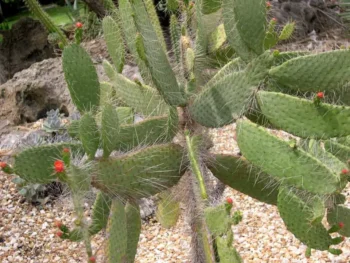
What really sets this plant apart is its distinctive growth pattern. The flattened, paddle-shaped segments branch out in a coral-like formation, giving it an almost sculptural quality that makes it a stunning specimen plant. When it blooms, the flowers provide nectar for local pollinators, supporting the delicate ecosystem of the Florida Keys.
Where Does It Grow?
Consolea corallicola is endemic to Florida, specifically thriving in the unique coastal environment of the Florida Keys. This plant has adapted perfectly to the salt air, sandy soils, and intense sun of this tropical paradise.
- Species observed
- No observations
A Conservation Concern
Here’s where things get serious: the semaphore pricklypear is critically endangered. With a Global Conservation Status of S1 and listed as Endangered in Florida, this species is hanging on by a thread with typically fewer than 5 occurrences and less than 1,000 remaining individuals in the wild.
If you’re considering adding this remarkable plant to your garden, it’s crucial to source it responsibly. Only purchase plants from reputable nurseries that can verify their material comes from ethical propagation programs, not wild collection.
Growing Semaphore Pricklypear
This cactus thrives in USDA hardiness zones 10b-11, making it suitable only for the warmest regions of the United States. Here’s what you need to know:
- Sunlight: Full sun is essential for healthy growth
- Soil: Well-draining sandy or rocky soil – poor drainage is the kiss of death for this plant
- Water: Minimal watering once established; this plant is built for drought
- Salt tolerance: Excellent, making it perfect for coastal gardens
- Frost protection: Must be protected from any cold temperatures
Perfect Garden Settings
The semaphore pricklypear shines in:
- Coastal landscapes where salt spray is common
- Xerophytic (drought-tolerant) garden designs
- Rock gardens with excellent drainage
- Cactus and succulent collections
- As a dramatic specimen plant in tropical landscapes
The Bottom Line
Should you plant semaphore pricklypear? If you live in the right climate and can source it responsibly, absolutely! By growing this endangered species, you’re participating in conservation efforts while adding a truly unique and stunning plant to your landscape. Just remember – with great beauty comes great responsibility. This rare treasure deserves our protection and respect.
For those in cooler climates or unable to source responsibly, consider other native prickly pear species that might be more readily available in your area. Every native plant we grow helps support local ecosystems and wildlife.