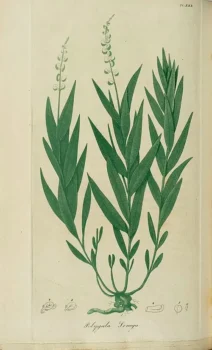
Seneca Snakeroot: A Rare Native Gem Worth Preserving
Meet Seneca snakeroot (Polygala senega), a humble yet historically significant native wildflower that deserves a spot in every thoughtful gardener’s heart—and maybe their landscape too. This unassuming perennial forb has been quietly gracing North American prairies and woodlands for centuries, though sadly, it’s becoming increasingly rare in some areas.
What Makes Seneca Snakeroot Special?
Don’t let its modest appearance fool you—Seneca snakeroot packs plenty of charm into its compact 6-18 inch frame. From late spring through early summer, this native perennial produces delicate spikes of tiny white flowers that dance above its simple, alternate leaves. The blooms may be small, but they’re arranged in eye-catching terminal clusters that can stretch 2-4 inches long.
As a true North American native, this herbaceous perennial (that’s gardener-speak for comes back every year but dies to the ground in winter) belongs to the milkwort family and has deep roots in both our ecosystems and cultural history.
Where Does It Call Home?
Seneca snakeroot has one of the most impressive native ranges you’ll find, naturally occurring across a vast swath of North America. From the Canadian provinces of Alberta, British Columbia, Manitoba, New Brunswick, Ontario, Quebec, and Saskatchewan, it extends south through an impressive 41 U.S. states, including Alabama, Arkansas, Connecticut, Delaware, District of Columbia, Georgia, Illinois, Indiana, Iowa, Kansas, Kentucky, Maine, Maryland, Massachusetts, Michigan, Minnesota, Missouri, Nebraska, New Jersey, New York, North Carolina, North Dakota, Ohio, Oklahoma, Pennsylvania, Rhode Island, South Carolina, South Dakota, Tennessee, Vermont, Virginia, West Virginia, Wisconsin, and Wyoming.
- Species observed
- No observations
A Word of Caution: This Beauty Is Rare
Here’s where things get serious, fellow gardeners. While Seneca snakeroot once thrived across its native range, it’s now considered endangered in New Jersey and quite rare in Alabama. This means if you’re lucky enough to grow this species, you’ll want to source it responsibly from reputable native plant nurseries—never from wild populations.
The rarity of this plant makes it even more precious for conservation-minded gardeners who want to help preserve our native flora for future generations.
Growing Conditions and Care
The good news? Seneca snakeroot isn’t particularly fussy once you understand its preferences. This adaptable native thrives in USDA hardiness zones 3-8, making it suitable for most of the continental United States.
Here’s what this prairie and woodland dweller loves:
- Sunlight: Partial shade to full sun (quite flexible!)
- Soil: Well-drained soils, including rocky or sandy conditions
- Moisture: Dry to medium moisture levels—definitely drought tolerant once established
- Habitat: Classified as Facultative Upland across all regions, meaning it usually prefers non-wetland areas but can occasionally handle some moisture
Perfect Garden Companions
Seneca snakeroot shines in naturalized settings where it can spread and self-seed without competing with more aggressive garden plants. Consider it for:
- Native plant gardens and prairie restorations
- Woodland edge plantings
- Rock gardens with well-drained soil
- Low-maintenance groundcover areas
- Conservation plantings
Wildlife and Pollinator Benefits
Those delicate white flower spikes aren’t just pretty—they’re pollinator magnets! Small bees, flies, and butterflies all appreciate the nectar and pollen this native provides. By growing Seneca snakeroot, you’re supporting the intricate web of native species that have co-evolved together over thousands of years.
Planting and Care Tips
Once established, Seneca snakeroot is refreshingly low-maintenance. Here are some tips for success:
- Plant in spring or fall when temperatures are moderate
- Space plants 12-18 inches apart to allow for natural spreading
- Water regularly the first year to help establish strong roots
- After establishment, this drought-tolerant native can largely fend for itself
- Allow plants to self-seed for natural population expansion
- No need for fertilization—native soils provide everything it needs
The Bottom Line
Should you plant Seneca snakeroot? If you can source it responsibly and have the right growing conditions, absolutely! This rare native deserves our protection and cultivation. Just remember that with rarity comes responsibility—always purchase from reputable native plant nurseries that propagate rather than wild-collect their stock.
By choosing to grow this humble yet historically significant wildflower, you’re not just adding beauty to your landscape—you’re participating in the important work of preserving North America’s botanical heritage, one garden at a time.