September Elm: A Fast-Growing Native Shade Tree for Your Landscape
Looking for a native shade tree that grows quickly and adapts well to various conditions? Meet the September elm (Ulmus serotina), a lesser-known gem among American elm species that deserves a spot in your landscape consideration list.
What Makes September Elm Special?
September elm is a native tree species found naturally across the southeastern and south-central United States. True to its name, this elm blooms later in the season than its cousins, producing small green flowers in late summer. While the flowers aren’t particularly showy, they add to the tree’s unique character and seasonal interest.
Where September Elm Calls Home
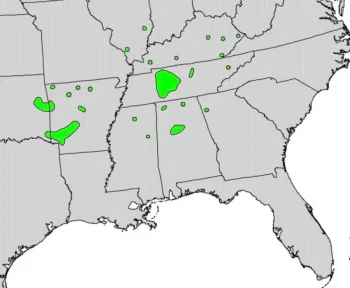
This native beauty grows naturally in Alabama, Arkansas, Georgia, Illinois, Kentucky, Mississippi, Oklahoma, and Tennessee. As a true native species to the lower 48 states, planting September elm supports local ecosystems and provides habitat for native wildlife.
- Species observed
- No observations
Size and Growth Expectations
September elm is definitely a tree for those with patience—or rather, those without it! This fast-growing species can reach 30 feet in just 20 years and eventually mature to an impressive 70 feet tall. With its single-trunk growth form and erect shape, it creates excellent shade coverage for larger properties.
Keep in mind that September elm has a shorter lifespan compared to some other tree species, but its rapid growth rate means you’ll enjoy its benefits relatively quickly.
Perfect Spots for September Elm
This adaptable tree works well in various landscape settings:
- Woodland gardens and natural landscapes
- Large residential properties needing shade trees
- Areas where you want to establish native plant communities
- Spots that need a fast-growing canopy tree
Growing Conditions and Care
September elm is refreshingly adaptable when it comes to growing conditions. Here’s what this tree prefers:
- Soil: Adapts to coarse and medium-textured soils (avoid heavy clay)
- pH: Tolerates a range from 5.0 to 7.3
- Moisture: Medium water needs with moderate drought tolerance
- Light: Shade tolerant, making it versatile for various light conditions
- Hardiness: Thrives in USDA zones 6-9 (tolerates temperatures down to -21°F)
Wetland Flexibility
One of September elm’s most interesting traits is its varying relationship with wetlands depending on location. In some regions, it prefers upland sites, while in others, it’s comfortable in both wetland and non-wetland areas. This adaptability makes it useful for transitional zones in your landscape.
Planting and Propagation Tips
Ready to add September elm to your landscape? Here’s how to get started:
- Seed starting: Seeds require cold stratification before planting
- Planting options: Available as bare root plants or container-grown specimens
- Spacing: Plan for 300-800 trees per acre if mass planting
- Timing: Plant in areas with at least 180 frost-free days
- Root depth: Ensure at least 24 inches of soil depth for healthy root development
Seasonal Interest
While September elm won’t win awards for fall color (it’s not particularly conspicuous), its late summer blooming period sets it apart from other trees. The green foliage provides dense summer shade that becomes more porous in winter, allowing light through when you need it most.
Is September Elm Right for Your Garden?
September elm works best for gardeners who:
- Have larger properties with space for a 70-foot tree
- Want to support native ecosystems
- Need fast-growing shade
- Appreciate unique seasonal timing
- Live within its natural range or similar climate zones
However, consider other options if you have limited space, want a long-lived specimen tree, or need something with spectacular fall color.
The Bottom Line
September elm offers native gardeners a fast-growing shade tree option that supports local ecosystems while providing practical benefits. While it may not be the most ornamental tree in your landscape, its adaptability, native status, and rapid growth make it a worthy consideration for the right setting. Just make sure you have the space to accommodate its eventual size, and you’ll enjoy decades of natural shade and seasonal interest.