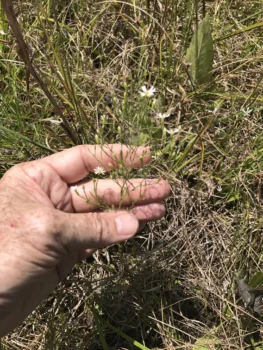
Serpentine Aster: A Rare Gem for the Adventurous Native Gardener
Meet the serpentine aster (Symphyotrichum depauperatum), a botanical rarity that’s as particular about its living conditions as a five-star hotel guest. This little-known native wildflower has captured the hearts of conservation-minded gardeners, though growing it successfully requires more than just good intentions and a green thumb.
What Makes Serpentine Aster Special?
The serpentine aster is a perennial forb native to a tiny slice of the eastern United States. Unlike its more common aster cousins, this delicate beauty has evolved to thrive in some pretty harsh conditions that would make most plants throw in the towel. It’s what botanists call a specialist – and boy, does it live up to that name!
You might also encounter this plant listed under its former scientific names, including Aster depauperatus, though Symphyotrichum depauperatum is the current accepted name in botanical circles.
Where Does Serpentine Aster Call Home?
This rare native has one of the most limited ranges you’ll find in North American wildflowers. The serpentine aster grows naturally in only three states: Maryland, Pennsylvania, and West Virginia. But here’s the kicker – it doesn’t grow just anywhere in these states. It’s found exclusively on serpentine soils, a unique geological formation that’s as rare as the plants that grow on it.
- Species observed
- No observations
A Conservation Alert: Handle With Care
Before you get too excited about adding this beauty to your garden, there’s something important you need to know. The serpentine aster carries a Global Conservation Status of S2, meaning it’s imperiled in the wild. With typically only 6 to 20 known occurrences and between 1,000 to 3,000 remaining individuals, this little aster is walking a tightrope toward extinction.
Does this mean you shouldn’t grow it? Not necessarily! But it does mean you need to be extra responsible about where you source your plants. Never, ever collect from wild populations, and only purchase from reputable nurseries that propagate their plants ethically.
The Challenge of Growing Serpentine Aster
Here’s where things get interesting (and a bit tricky). The serpentine aster isn’t just picky – it’s practically impossible to please unless you can replicate its very specific natural habitat. This plant has evolved to thrive in serpentine soils, which are:
- High in magnesium
- Low in calcium
- Generally nutrient-poor
- Often toxic to most other plants
These harsh conditions have created a plant that’s tough as nails in its preferred environment but often struggles in typical garden soils. Most gardeners will find this species nearly impossible to establish without creating artificial serpentine conditions.
Garden Design and Landscape Role
If you’re up for the challenge, serpentine aster works best in specialized rock gardens or native plant conservation areas. It’s not a showstopper in the traditional sense – think subtle charm rather than bold statement. The small white to pale purple flowers appear in late summer and fall, providing late-season interest when many other plants are winding down.
This plant is ideally suited for:
- Rock gardens with specialized soil mixes
- Native plant conservation collections
- Educational gardens focused on rare species
- Restoration projects in appropriate habitats
Growing Conditions and Care
Successfully growing serpentine aster requires mimicking its natural habitat as closely as possible. The plant thrives in USDA hardiness zones 6-7 and needs:
- Full sun exposure
- Extremely well-drained soils
- Specialized serpentine-like soil conditions
- Minimal soil fertility
- Good air circulation
Creating the right soil conditions is the biggest hurdle. You’ll need to research serpentine soil composition and potentially work with soil specialists to create an appropriate growing medium.
Benefits to Pollinators and Wildlife
Despite its small stature and limited range, serpentine aster pulls its weight when it comes to supporting local ecosystems. Like other members of the aster family, it attracts native bees, butterflies, and other beneficial insects during its late-season bloom period. For specialized pollinators that have co-evolved with serpentine barrens plants, this little aster can be a crucial food source.
Should You Grow Serpentine Aster?
The honest answer? Probably not, unless you’re a serious native plant enthusiast with the time, knowledge, and resources to create appropriate growing conditions. This isn’t a plant for casual gardeners or those looking for easy natives to get started with.
However, if you’re passionate about plant conservation, have experience with challenging natives, and can source plants responsibly, growing serpentine aster can be a meaningful way to participate in preserving a rare piece of our botanical heritage. Just remember – success with this species is more about conservation than conventional gardening.
For most gardeners interested in supporting native pollinators and adding asters to their landscape, consider more adaptable natives like New England aster (Symphyotrichum novae-angliae) or aromatic aster (Symphyotrichum oblongifolium). They’ll give you that aster charm without the specialized soil chemistry degree!