Serpentine Fleabane: A Rare California Native Worth Protecting
Meet serpentine fleabane (Erigeron angustatus), one of California’s most specialized and endangered wildflowers. This petite perennial might not be the flashiest addition to your garden, but it’s got a fascinating story that makes it worth knowing about – even if you never get the chance to grow it yourself.
What Makes Serpentine Fleabane Special?
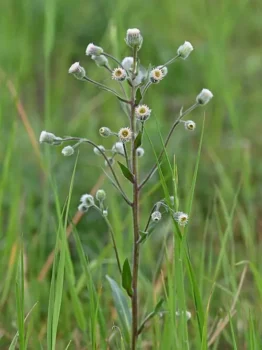
Serpentine fleabane is a true California original, found nowhere else in the world. This delicate forb produces charming daisy-like flowers with white to pale pink petals surrounding bright yellow centers. The blooms sit atop slender stems decorated with narrow, elongated leaves that give the plant its angustatus name (meaning narrow in Latin).
But here’s where things get interesting – and challenging. This little wildflower is incredibly picky about where it lives, growing exclusively in serpentine soils found in specific areas of California, particularly around the San Francisco Bay Area and North Coast ranges.
- Species observed
- No observations
A Plant in Peril
Before we dive into growing tips, there’s something important you need to know: serpentine fleabane is imperiled. With a conservation status of S2, this species typically has only 6 to 20 known populations remaining, with somewhere between 1,000 to 3,000 individual plants left in the wild. That makes it extremely vulnerable to extinction.
If you’re considering adding this rare beauty to your garden, please ensure any plant material comes from responsible, ethical sources that support conservation efforts rather than wild collection.
Why Serpentine Fleabane is So Hard to Grow
This isn’t your typical garden center find, and there’s a good reason for that. Serpentine fleabane has evolved to thrive in some pretty hostile conditions that most plants can’t tolerate:
- Serpentine soils high in magnesium and heavy metals
- Low nutrient availability
- Well-draining, rocky conditions
- Specific mineral compositions that are toxic to many plants
These specialized growing requirements make serpentine fleabane nearly impossible to cultivate in typical garden settings. Even experienced native plant gardeners often struggle with this one.
Garden Role and Landscape Design
If you’re lucky enough to have serpentine soils on your property (and live in USDA hardiness zones 8-10), serpentine fleabane could be a stunning addition to:
- Specialized rock gardens
- Native California restoration projects
- Serpentine plant collections
- Educational conservation gardens
The plant typically grows as a low-growing perennial forb, creating delicate patches of color during its blooming season. Its modest stature makes it perfect for intimate viewing in specialized garden settings.
Benefits for Pollinators and Wildlife
Despite its small size, serpentine fleabane punches above its weight when it comes to supporting local ecosystems. The daisy-like flowers attract various native pollinators, including:
- Native bees
- Small butterflies
- Beneficial insects
As part of the unique serpentine plant community, it plays a crucial role in supporting specialized wildlife that has adapted to these harsh growing conditions.
Growing Conditions and Care
If you’re determined to try growing serpentine fleabane, here’s what you’ll need to replicate:
- Soil: Serpentine or similar mineral-rich, well-draining soil
- Sun exposure: Full sun to partial shade
- Water: Minimal water once established; drought-tolerant
- Climate: USDA zones 8-10
- pH: Alkaline conditions typical of serpentine soils
Honestly, unless you’re a specialist in serpentine ecology or involved in conservation efforts, this might not be the plant for your garden. The specialized soil requirements alone make it extremely challenging for home cultivation.
Should You Plant Serpentine Fleabane?
The short answer? Probably not – but that’s okay! Given its rarity and specialized needs, serpentine fleabane is best left to conservation professionals and researchers working to protect existing populations.
Instead, consider supporting this remarkable plant by:
- Visiting serpentine grasslands where it grows naturally
- Supporting local conservation organizations
- Choosing other California native wildflowers for your garden
- Learning about serpentine ecology and sharing that knowledge
Sometimes the best way to appreciate a rare plant is simply to know it exists and to support the efforts that keep it thriving in the wild where it belongs. Serpentine fleabane may be small and specialized, but it’s a perfect example of the incredible diversity that makes California’s native flora so extraordinary.