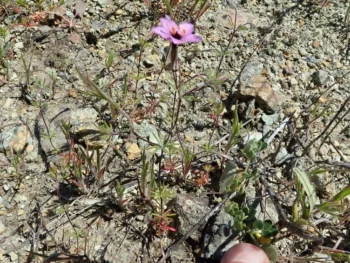
Serpentine Linanthus: A Rare California Wildflower Worth Protecting
Meet the serpentine linanthus (Leptosiphon ambiguus), a delicate California native that’s as specialized as its name suggests. This petite annual wildflower has carved out a unique niche in the Golden State’s diverse plant community, thriving in conditions that would challenge most other plants. If you’re looking to add a truly authentic piece of California’s natural heritage to your garden, this little gem deserves your attention—but with some important considerations.
What Makes Serpentine Linanthus Special
Serpentine linanthus is a forb—essentially a non-woody flowering plant that completes its entire life cycle in a single growing season. What sets this species apart isn’t just its annual nature, but its remarkable adaptation to serpentine soils, those mineral-rich, challenging growing conditions that few plants can tolerate. You might also encounter this plant listed under its scientific synonym, Linanthus ambiguus.
As a California endemic, serpentine linanthus is found exclusively within the state’s borders, making it a true local treasure. However, this exclusivity comes with responsibility—the species carries a Global Conservation Status of S3, meaning it’s considered vulnerable. With typically only 21 to 100 occurrences and between 3,000 to 10,000 individuals remaining, this is a plant that needs our protection.
Where It Calls Home
Serpentine linanthus grows naturally in California, where it has evolved to thrive in the state’s unique serpentine soil environments. These specialized habitats are scattered throughout California, creating isolated pockets where this remarkable plant continues to persist.
- Species observed
- No observations
Should You Grow Serpentine Linanthus?
The case for planting it: If you’re passionate about native plant conservation and have the right growing conditions, serpentine linanthus can be a meaningful addition to your garden. This delicate wildflower supports California’s native pollinators with its small but abundant flowers, and growing it helps preserve genetic diversity of a vulnerable species.
Important considerations: Given its vulnerable conservation status, you should only plant serpentine linanthus if you can source seeds or plants responsibly from reputable native plant nurseries or conservation organizations. Never collect from wild populations, as this could further threaten already vulnerable communities.
Garden Design and Landscape Role
Serpentine linanthus isn’t your typical garden showstopper—its beauty lies in subtlety and ecological authenticity. This plant works best in:
- Native plant gardens focused on California flora
- Rock gardens with well-draining, mineral-rich soils
- Naturalistic landscapes that mimic serpentine habitats
- Conservation gardens dedicated to rare species preservation
Its delicate form and specialized requirements make it more suitable for dedicated native plant enthusiasts than casual gardeners looking for easy-care options.
Growing Conditions and Care
Successfully growing serpentine linanthus means replicating its natural habitat as closely as possible. This plant thrives in USDA hardiness zones 8-10, which correspond to California’s Mediterranean climate patterns.
Soil requirements: Well-draining, mineral-rich soils are essential. If you don’t have natural serpentine soil, you can create suitable conditions by mixing in crushed rock, sand, and minerals to improve drainage and reduce fertility.
Water needs: As a California native annual, serpentine linanthus is adapted to the state’s dry summers and wet winters. Provide water during the growing season but allow the soil to dry out completely during summer dormancy.
Light conditions: Full sun to partial shade works best, mimicking the varied light conditions found in natural serpentine habitats.
Planting and Propagation Tips
Growing serpentine linanthus from seed offers the best results and helps maintain genetic diversity:
- Sow seeds directly in fall, allowing natural winter stratification
- Barely cover seeds with soil—they need light to germinate
- Keep soil consistently moist during germination and early growth
- Once established, reduce watering to match natural rainfall patterns
- Allow plants to self-seed for natural population maintenance
Supporting Pollinators and Wildlife
While small in stature, serpentine linanthus provides valuable resources for California’s native pollinators. Its tiny flowers attract small native bees, beneficial insects, and other pollinators that have co-evolved with California’s flora. By growing this species, you’re supporting the intricate web of relationships that make California’s ecosystems so special.
A Plant Worth Protecting
Serpentine linanthus represents something increasingly rare in our modern world—a plant perfectly adapted to a very specific place and set of conditions. While it may not be the easiest native plant to grow, it offers dedicated gardeners the opportunity to participate in conservation while creating authentic habitat in their own backyards.
If you choose to grow serpentine linanthus, remember that you’re becoming a steward of a vulnerable species. Source your plants responsibly, provide appropriate growing conditions, and perhaps most importantly, share your knowledge with other native plant enthusiasts. Together, we can ensure that future generations will still have the chance to appreciate this delicate California treasure.