Serpentine Pseudoleskeella Moss: A Rare Gem for Specialized Gardens
If you’ve ever wondered about the tiny green carpets that grace rocky outcrops in nature, you might have encountered one of North America’s more specialized mosses. Meet the serpentine pseudoleskeella moss (Pseudoleskeella serpentinensis), a fascinating little bryophyte that’s perfectly adapted to some pretty challenging growing conditions.
What Makes This Moss Special?
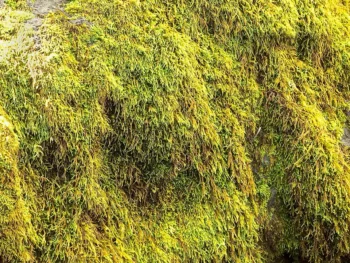
This isn’t your typical lawn moss! Serpentine pseudoleskeella moss is a terrestrial bryophyte that forms dense, cushion-like mats. Like other mosses, it’s herbaceous and prefers to attach itself to solid surfaces rather than growing directly in soil. What sets this species apart is its remarkable ability to thrive in serpentine soils – those mineral-rich, often toxic substrates that challenge most other plants.
As a North American native, this moss has evolved specifically to handle the unique chemistry of serpentine rock formations, making it a true specialist in the plant world.
Where You’ll Find It
Serpentine pseudoleskeella moss calls western North America home, particularly in areas where serpentine and other ultramafic rocks are present. These geological formations create unique microclimates and soil conditions that support specialized plant communities.
A Word About Conservation
Here’s something important to know: this moss has a Global Conservation Status of S3, meaning it’s considered vulnerable. With typically only 21 to 100 known occurrences and an estimated 3,000 to 10,000 individuals worldwide, it’s quite rare. This status reflects either its very limited range, specific habitat requirements, or other factors that make it susceptible to population decline.
If you’re interested in incorporating this moss into your garden, please ensure you source it responsibly from reputable native plant suppliers who propagate rather than wild-harvest their specimens.
Is It Right for Your Garden?
Serpentine pseudoleskeella moss isn’t for every garden, but it can be a fascinating addition to the right setting:
- Rock gardens: Perfect for specialized rock gardens featuring serpentine or similar mineral-rich stones
- Educational gardens: Excellent for demonstrating plant adaptation to extreme conditions
- Native plant collections: A unique addition for serious native plant enthusiasts
- Xerophytic gardens: Suitable for dry, well-draining garden areas
Growing Conditions and Care
This moss has very specific requirements that can be challenging to replicate:
- Soil: Requires serpentine or similar ultramafic substrate with high mineral content
- Drainage: Excellent drainage is essential
- Hardiness: Likely suited for USDA zones 7-10 based on its native range
- Water: Minimal water needs once established
- Maintenance: Very low maintenance once proper conditions are established
How to Identify Serpentine Pseudoleskeella Moss
Look for these identifying features:
- Dense, cushion-forming growth pattern
- Small, overlapping leaves arranged in tight clusters
- Attachment to rock surfaces rather than growing in soil
- Association with serpentine or mineral-rich rock substrates
- Typically found in western North American locations
The Bottom Line
Serpentine pseudoleskeella moss is a specialized treasure that’s best appreciated by gardeners who understand and can meet its unique needs. While it won’t work in traditional garden settings, it can be a remarkable addition to rock gardens designed around serpentine geology or educational landscapes focusing on plant adaptation.
Given its vulnerable conservation status, growing this moss responsibly means sourcing it ethically and appreciating it as part of our continent’s unique botanical heritage. If you’re drawn to unusual plants that tell stories about adaptation and survival, this little moss might just capture your imagination – and your specialized garden space.