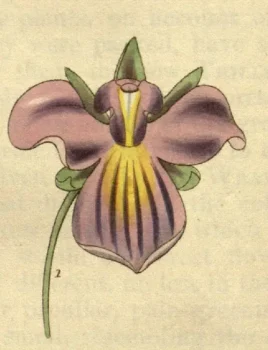
Serpentine Wallflower Orchid: A Rare Caribbean Gem for Specialized Gardens
Meet the serpentine wallflower orchid (Tetramicra canaliculata), a delicate Caribbean native that’s sure to intrigue orchid enthusiasts and tropical plant lovers alike. This petite perennial orchid brings a touch of exotic elegance to specialized growing environments, though it’s definitely not your typical backyard bloomer.
Where Does It Call Home?
The serpentine wallflower orchid is a true Caribbean treasure, native exclusively to Puerto Rico and the U.S. Virgin Islands. This limited geographic range makes it a special find for collectors who appreciate plants with unique regional heritage.
- Species observed
- No observations
What Makes It Special?
As a member of the orchid family, Tetramicra canaliculata is classified as a forb – essentially a non-woody perennial plant. Don’t let the technical term fool you; this little beauty is all about delicate charm. Its small stature and refined appearance make it a conversation starter among fellow plant enthusiasts.
Previously known by the synonym Tetramicra elegans, this orchid has maintained its reputation as an elegant addition to specialized collections.
Should You Grow It?
Important Conservation Note: The serpentine wallflower orchid has a Global Conservation Status of S3S4, indicating it may be vulnerable in its native range. If you’re considering adding this orchid to your collection, please ensure you source it only from reputable, ethical suppliers who propagate plants responsibly rather than collecting from wild populations.
This orchid is best suited for:
- Experienced orchid growers
- Tropical plant collections
- Greenhouse cultivation
- Specialized humid environments
Growing Conditions and Care
Like most orchids, the serpentine wallflower orchid is an epiphyte in nature, which means it grows on other plants rather than in soil. This specialized lifestyle translates to very specific growing requirements:
- Climate: USDA hardiness zones 10-12 only (think southern Florida and Hawaii)
- Humidity: High humidity levels are essential
- Light: Bright, filtered light – direct sun will scorch the delicate foliage
- Growing medium: Well-draining orchid bark mix, never regular potting soil
- Air circulation: Good airflow prevents fungal issues
Garden Design Role
This isn’t a plant for traditional landscape beds or casual container gardens. The serpentine wallflower orchid shines as:
- A specimen plant in orchid collections
- Part of a tropical conservatory display
- An educational piece about Caribbean flora
- A conversation starter for serious plant collectors
The Bottom Line
The serpentine wallflower orchid is a fascinating plant for the right gardener. If you’re an experienced orchid grower with proper facilities and a commitment to conservation-minded growing practices, this rare Caribbean native could be a worthy addition to your collection. However, beginners might want to start with more forgiving orchid species before tackling this specialized beauty.
Remember: always source this plant ethically and be prepared to provide the specialized care it requires. When grown successfully, you’ll have a unique piece of Caribbean botanical heritage right in your own growing space!