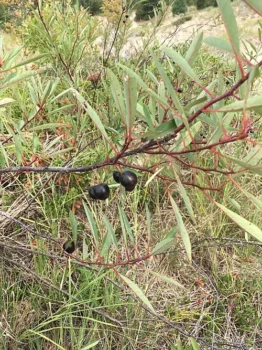
Susquehanna Sandcherry: A Hidden Gem for Native Plant Enthusiasts
Meet the Susquehanna sandcherry (Prunus susquehanae), a delightful native shrub that’s been quietly beautifying North American landscapes for centuries. This unassuming member of the cherry family might not be as famous as its fruit-bearing cousins, but it’s got plenty of charm and practical benefits that make it worth considering for your native garden.
What Makes This Plant Special
The Susquehanna sandcherry is a perennial shrub that typically grows as a multi-stemmed woody plant, usually staying under 13-16 feet tall. Don’t let the name fool you – while it’s called a cherry, this plant is more about subtle beauty than big, showy fruits. In spring, it produces clusters of small white flowers that are absolutely lovely and serve as an important food source for pollinators like bees.
You might also see this plant listed under several historical names, including Prunus cuneata or various forms of Prunus pumila, but Prunus susquehanae is the accepted name today.
Where Does It Naturally Grow
This native beauty calls both Canada and the United States home, with a distribution that spans an impressive range across eastern North America. You’ll find it naturally occurring in Manitoba and Ontario in Canada, and across 21 U.S. states including Connecticut, Delaware, Illinois, Indiana, Maine, Maryland, Massachusetts, Michigan, Minnesota, New Hampshire, New Jersey, New York, North Carolina, Ohio, Pennsylvania, Rhode Island, Vermont, Virginia, West Virginia, and Wisconsin.
- Species observed
- No observations
A Word About Rarity
Here’s something important to know: the Susquehanna sandcherry is considered rare in some parts of its range. In Arkansas, it has an S1 rarity status (critically imperiled), and in New Jersey’s Appalachian Highlands, it’s listed with an S3 status (vulnerable). If you’re interested in growing this plant, please make sure you source it from reputable native plant nurseries that propagate their stock rather than collecting from wild populations.
Why Grow Susquehanna Sandcherry
This native shrub brings several benefits to your landscape:
- **Pollinator Support**: Those spring flowers are magnets for bees and other beneficial insects
- **Low Maintenance**: Once established, it’s quite drought tolerant and doesn’t need much fussing
- **Erosion Control**: Great for slopes and areas where you need some natural soil stabilization
- **Native Wildlife Value**: While specific wildlife benefits aren’t well-documented, as a native Prunus species, it likely supports various insects and birds
- **Authentic Regional Character**: Perfect for naturalistic plantings that reflect your local ecosystem
Growing Conditions and Care
The Susquehanna sandcherry is generally hardy in USDA zones 3-7, making it suitable for much of the northern United States and southern Canada. As its common name suggests, it has a particular fondness for sandy soils, though it can adapt to various soil types as long as drainage is good.
This shrub performs best in full sun to partial shade conditions. Once established, it’s quite drought tolerant, making it an excellent choice for low-water gardens or areas where you want beautiful plants without constant irrigation.
Planting and Care Tips
Getting your Susquehanna sandcherry off to a good start is pretty straightforward:
- **Site Selection**: Choose a spot with good drainage – avoid areas that stay soggy
- **Planting Time**: Spring or early fall are ideal planting times
- **Spacing**: Give it room to spread, as it naturally wants to form colonies
- **Watering**: Water regularly the first year, then it should be quite self-sufficient
- **Pruning**: Minimal pruning needed – just remove any dead or damaged branches
Perfect Garden Roles
The Susquehanna sandcherry shines in several landscape situations:
- Native plant gardens where you want authentic regional species
- Woodland edge plantings
- Naturalistic landscapes
- Areas needing erosion control
- Low-maintenance ground cover situations
The Bottom Line
If you’re looking to add more native plants to your landscape and want something that’s both beautiful and functional, the Susquehanna sandcherry deserves serious consideration. Its spring flowers, low maintenance requirements, and value to native pollinators make it a wonderful addition to any garden focused on supporting local ecosystems.
Just remember to source your plants responsibly from nurseries that propagate rather than wild-collect, especially given its rarity status in some areas. Your local native plant society can often point you toward reputable sources, and you’ll be doing your part to help preserve this lovely native species for future generations to enjoy.