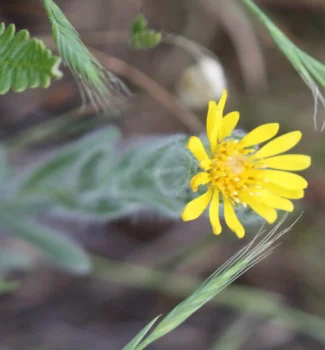
Sessileflower False Goldenaster: A Rare California Native Worth Protecting
If you’re passionate about supporting California’s native plant heritage, you might want to learn about sessileflower false goldenaster (Heterotheca sessiliflora bolanderi). This lesser-known perennial herb represents a unique piece of the Golden State’s botanical puzzle, though finding it for your garden might prove to be quite the treasure hunt.
What Makes This Plant Special?
Sessileflower false goldenaster belongs to the sunflower family and shares the cheerful, daisy-like blooms that make its relatives so beloved by gardeners and pollinators alike. As a perennial forb (that’s gardener-speak for a non-woody flowering plant that comes back year after year), this California native has adapted to thrive in the state’s unique climate conditions.
The plant goes by several scientific names in botanical literature, including Chrysopsis bolanderi and Heterotheca bolanderi, which might explain why information about it can be tricky to track down. Sometimes botanical name changes can make plants seem more mysterious than they actually are!
Where Does It Call Home?
This native beauty is found exclusively in California, making it a true Golden State endemic. Its limited range means it has evolved specifically for California’s diverse microclimates and soil conditions, potentially making it an excellent choice for gardeners looking to create authentic native landscapes.
- Species observed
- No observations
A Word of Caution: Rarity Matters
Here’s where things get important: sessileflower false goldenaster has a conservation status that suggests it may be uncommon in the wild. Before you get your heart set on adding this plant to your garden, it’s crucial to source any plants or seeds responsibly. This means:
- Only purchasing from reputable native plant nurseries
- Ensuring any plant material comes from cultivated sources, not wild collection
- Checking with local native plant societies for guidance
- Never collecting seeds or plants from wild populations
Garden Potential and Growing Tips
While specific growing information for this particular subspecies is limited, plants in the Heterotheca genus typically prefer full sun and well-draining soils. Based on its California origins, it likely thrives in Mediterranean-style gardens and drought-tolerant landscapes.
Given California’s climate zones, this plant would likely do well in USDA hardiness zones 8-10, though local microclimates can vary significantly throughout the state.
Supporting Pollinators the Native Way
Like other members of the sunflower family, sessileflower false goldenaster likely provides valuable nectar and pollen for native bees, butterflies, and other beneficial insects. Supporting these relationships by growing native plants helps maintain the intricate web of life that California’s ecosystems depend on.
Should You Grow It?
If you can find sessileflower false goldenaster from a responsible source, it could be a wonderful addition to a native California garden. However, given its apparent rarity, you might also consider growing its more common relatives like Heterotheca sessiliflora (the parent species) or other native golden asters that provide similar ecological benefits without the conservation concerns.
Remember, sometimes the best way to support rare native plants is to grow their more common cousins while supporting conservation efforts for the rare ones. Your garden can still buzz with native pollinators and showcase California’s natural beauty while helping protect species that need our care the most.