Sessileleaf Bellwort: A Charming Native Wildflower for Shade Gardens
If you’re looking for a delicate spring bloomer that thrives in shady spots, sessileleaf bellwort (Uvularia sessilifolia) might just be the perfect addition to your native garden. This charming perennial wildflower brings subtle elegance to woodland settings with its nodding yellow bells and distinctive leaf arrangement.
What Makes Sessileleaf Bellwort Special?
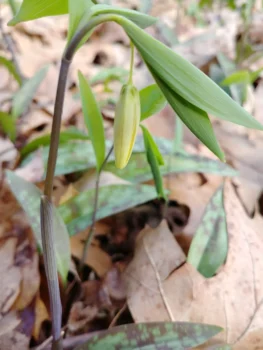
Sessileleaf bellwort is a native North American perennial that belongs to the lily family. As a forb (a non-woody flowering plant), it grows 6-12 inches tall and spreads slowly through underground rhizomes to form small colonies over time. The plant gets its common name from its sessile leaves – meaning the leaves attach directly to the stem without stalks – and its bell-shaped flowers that dangle gracefully beneath the foliage.
What really sets this plant apart is its unique leaf arrangement. The smooth, oval leaves appear to be pierced by the stem, creating an eye-catching perfoliate effect that remains attractive long after the spring blooms fade.
Where Does It Grow Naturally?
This native beauty has an impressive natural range across eastern North America. You’ll find sessileleaf bellwort growing wild from southeastern Canada down to the Gulf states, thriving in locations spanning from Maine to Florida and west to Texas, North Dakota, and Manitoba. It’s truly a widespread native that’s well-adapted to a variety of regional conditions.
- Species observed
- No observations
Perfect Spots in Your Garden
Sessileleaf bellwort shines in woodland and shade gardens where it can naturalize among other native wildflowers. Here are some ideal uses:
- Woodland groundcover that spreads gently over time
- Native plant gardens focused on indigenous species
- Shade gardens needing delicate spring interest
- Naturalized areas under trees and shrubs
- Rain gardens and areas with variable moisture
Growing Conditions That Make It Happy
One of the best things about sessileleaf bellwort is how adaptable it is to different moisture conditions. The wetland status varies by region – it can handle both wetland and upland conditions in coastal areas, while preferring drier sites in other regions. This flexibility makes it a reliable choice for gardeners dealing with variable soil moisture.
For best results, provide:
- Partial to full shade
- Moist, well-draining soil rich in organic matter
- USDA hardiness zones 3-8
- Protection from harsh afternoon sun
Planting and Care Tips
Sessileleaf bellwort is refreshingly low-maintenance once established. Plant it in spring or fall, spacing plants about 8-12 inches apart if you want quicker coverage. The key to success is mimicking its natural woodland habitat with rich, organic soil.
Here’s how to keep it thriving:
- Mulch with leaf mold or compost to retain moisture and add nutrients
- Water regularly the first year while roots establish
- Allow fallen leaves to remain as natural mulch
- Divide clumps every few years if you want to spread it to new areas
- Be patient – it may take a year or two to really settle in and show its best growth
Wildlife and Pollinator Benefits
While sessileleaf bellwort may look delicate, it plays an important role in supporting local ecosystems. The spring flowers provide nectar for early-season pollinators, including small native bees that are active when many other flowers aren’t yet blooming. The plant also offers habitat and food sources for various woodland creatures throughout the growing season.
Why Choose Sessileleaf Bellwort?
This native perennial offers several compelling reasons to include it in your landscape. It’s perfectly adapted to local growing conditions, requires minimal care once established, and provides gentle beauty that works well with other shade-loving natives. Plus, by choosing native plants like sessileleaf bellwort, you’re supporting local wildlife and creating a more sustainable garden ecosystem.
Whether you’re creating a woodland sanctuary or simply need a reliable groundcover for a shady spot, sessileleaf bellwort delivers subtle charm that gets better with each passing year. Its combination of attractive foliage, delicate spring flowers, and easy-going nature makes it a wonderful addition to any native plant collection.