Shagbark Manzanita: A Rare California Native Worth Growing Responsibly
If you’re looking for a stunning California native that combines drought tolerance with year-round beauty, the shagbark manzanita (Arctostaphylos rudis) might just capture your heart. But before you rush to add this perennial shrub to your garden, there’s something important you need to know about this special plant.
A Rare Gem of California
Shagbark manzanita is a true California native, found exclusively in the Golden State. This perennial, multi-stemmed woody shrub typically grows to less than 13-16 feet in height, though it usually stays much smaller in garden settings. What makes this plant particularly noteworthy is its conservation status – it’s considered imperiled with a Global Conservation Status of S2, meaning there are typically only 6 to 20 occurrences or few remaining individuals in the wild.
- Species observed
- No observations
What Makes It Special
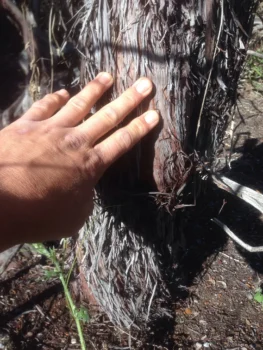
The shagbark in its common name tells you everything about this manzanita’s most distinctive feature. The reddish-brown bark naturally peels and shreds, creating an incredibly attractive textural element that looks beautiful year-round. Add to that the classic manzanita flowers – small, white to pink, urn-shaped blooms that appear in winter and spring – and you’ve got a plant that offers multi-season interest.
Garden Role and Design Applications
Shagbark manzanita shines in several garden settings:
- Native California gardens where it supports local ecosystems
- Mediterranean-style landscapes that celebrate drought-tolerant beauty
- Slope stabilization and erosion control projects
- Wildlife gardens that support pollinators and birds
- Specimen plantings where its unique bark can be showcased
Growing Conditions and Care
Like most manzanitas, this species thrives in California’s Mediterranean climate (USDA Zones 8-10). Here’s what it needs to flourish:
- Soil: Well-draining, acidic soil is essential – avoid heavy clay or areas that stay wet
- Sun exposure: Full sun to partial shade
- Water: Drought-tolerant once established; avoid summer watering near the root zone
- Planting time: Fall planting allows roots to establish before summer heat
Pollinator and Wildlife Benefits
Don’t let its rarity fool you into thinking this plant isn’t ecologically valuable. Shagbark manzanita’s flowers provide crucial nectar for native bees, butterflies, and hummingbirds during the cooler months when few other plants are blooming. The berries that follow feed various bird species, making this shrub a true wildlife magnet.
The Responsible Growing Imperative
Here’s where we need to have an important conversation. Because shagbark manzanita is imperiled in the wild, it’s crucial that any plants you acquire come from responsibly sourced material. This means:
- Never collect plants or seeds from wild populations
- Purchase only from reputable native plant nurseries
- Ask about the source of their plant material
- Consider this an investment in conservation
Planting and Care Tips
Once you’ve sourced your shagbark manzanita responsibly, follow these tips for success:
- Plant in fall when cooler temperatures reduce transplant stress
- Improve drainage if your soil tends to stay wet
- Water regularly the first year, then reduce to minimal supplemental water
- Prune lightly after flowering if needed, but these plants generally maintain good shape naturally
- Apply a light mulch of wood chips, keeping it away from the base of the plant
Is Shagbark Manzanita Right for Your Garden?
If you live in California and want to support native plant conservation while adding a truly unique specimen to your garden, shagbark manzanita could be perfect. Its combination of drought tolerance, wildlife value, and stunning bark texture makes it a standout choice for the right setting. Just remember – with rarity comes responsibility. By growing this plant from ethical sources, you’re not just beautifying your landscape; you’re participating in conservation efforts that help ensure future generations can enjoy this remarkable California native.