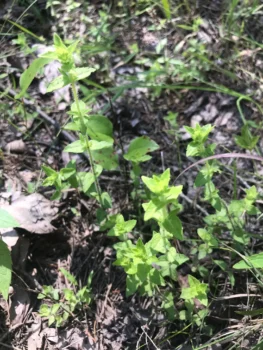
Shaggy Hedgehyssop: A Charming Native Wildflower for Wet Gardens
If you’re looking for a low-key native wildflower that thrives in those tricky wet spots in your garden, let me introduce you to shaggy hedgehyssop (Gratiola pilosa). This unassuming little perennial might not win any flashy flower contests, but it’s got character—and it’s perfectly suited for gardeners who want to support native wildlife while tackling challenging wet areas.
What is Shaggy Hedgehyssop?
Shaggy hedgehyssop is a native perennial forb that belongs to a group of plants known for their small, tubular flowers and preference for moist conditions. As a forb, it’s a non-woody plant that dies back to the ground each winter and returns from its roots in spring. The shaggy part of its name comes from the fine hairs that often cover its stems and leaves, giving it a slightly fuzzy appearance that’s quite endearing up close.
You might occasionally see this plant listed under some tongue-twisting scientific synonyms like Sophronanthe pilosa or Tragiola pilosa, but don’t let that intimidate you—it’s the same delightful little wildflower.
Where Does It Grow Naturally?
This southeastern native has quite an impressive range across the lower 48 states. You’ll find wild populations growing naturally in Alabama, Arkansas, Delaware, District of Columbia, Florida, Georgia, Kentucky, Louisiana, Maryland, Mississippi, New Jersey, North Carolina, Oklahoma, South Carolina, Tennessee, Texas, and Virginia.
- Species observed
- No observations
A Word About Rarity
Here’s something important to know: in New Jersey, shaggy hedgehyssop has a rarity status of S2, meaning it’s considered imperiled in that state. If you live in New Jersey or other areas where this plant might be uncommon, I encourage you to grow it—but please make sure you source your plants or seeds responsibly from reputable native plant nurseries rather than collecting from wild populations.
What Makes It Special in the Garden?
While shaggy hedgehyssop won’t give you the showstopping blooms of a hibiscus, it offers something different: quiet charm and ecological value. The small white to pale purple flowers appear throughout the growing season, providing a delicate backdrop for more prominent plants while offering nectar to small native bees, flies, and other tiny pollinators that often get overlooked.
Its low-growing habit makes it perfect as a ground cover in naturalized areas, and its tolerance for wet conditions makes it a star player in rain gardens and bog gardens where other plants might struggle.
Perfect Growing Conditions
This is where shaggy hedgehyssop really shines—it actually loves those spots that give other gardeners headaches. Here’s what it prefers:
- Moisture: Consistently moist to wet soils (it’s classified as a facultative wetland plant in most regions)
- Light: Full sun to partial shade
- Soil: Adaptable to various soil types as long as they stay moist
- Climate: Hardy in USDA zones 6-9
- Seasonal flooding: No problem! It can handle periodic inundation
Where to Use It in Your Landscape
Shaggy hedgehyssop works beautifully in several garden settings:
- Rain gardens: Excellent choice for managing stormwater runoff
- Native plant gardens: Adds authentic local character
- Bog or water gardens: Thrives in consistently wet conditions
- Naturalized areas: Perfect for low-maintenance wildlife habitat
- Pond or stream margins: Great transition plant between water and upland areas
Planting and Care Tips
The good news is that shaggy hedgehyssop is refreshingly low-maintenance once you get it established:
- Planting: Spring or fall planting works well
- Spacing: Give plants about 12-18 inches apart
- Watering: Keep consistently moist—this is not a drought-tolerant plant
- Fertilizing: Usually unnecessary in moist soils
- Maintenance: Minimal pruning needed; may spread naturally by stolons
Wildlife Benefits
While it might look modest, shaggy hedgehyssop pulls its weight in supporting local ecosystems. The small tubular flowers are perfectly sized for tiny native pollinators, including small bees and beneficial flies. These smaller pollinators are often overlooked but play crucial roles in maintaining healthy plant communities.
Should You Plant It?
If you have consistently moist or wet areas in your garden and want to support native wildlife while adding gentle, understated beauty to your landscape, shaggy hedgehyssop is definitely worth considering. It’s particularly valuable if you’re creating habitat for native pollinators or working with challenging wet sites where other plants struggle.
Just remember to source your plants responsibly, especially if you live in areas where it might be uncommon. Your local native plant society or extension office can often point you toward reputable sources.
Sometimes the most rewarding garden plants are the quiet ones that do their job without fanfare—and shaggy hedgehyssop fits that description perfectly.