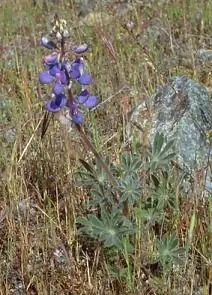
Shaggyhair Lupine: A Rare California Native Worth Protecting
Meet the shaggyhair lupine (Lupinus spectabilis), a charming yet increasingly rare California wildflower that deserves a spot in our conservation conversations. This delicate annual lupine might not be the showiest member of its family, but it carries an important story about preserving our native plant heritage.
What Makes Shaggyhair Lupine Special?
Shaggyhair lupine is a true California native, found exclusively within the Golden State’s borders. As an annual forb, this herbaceous plant completes its entire life cycle in just one growing season, producing the characteristic lupine flower spikes that gardeners love. The name shaggyhair likely refers to the plant’s hairy stems and leaves, a common adaptation among many California natives to help conserve moisture.
This lupine is endemic to California, making it a unique piece of the state’s natural heritage that exists nowhere else on Earth.
- Species observed
- No observations
A Plant in Peril
Important Conservation Notice: Shaggyhair lupine has a Global Conservation Status of S2, meaning it’s considered Imperiled. With typically only 6 to 20 known occurrences and fewer than 1,000 to 3,000 individual plants remaining, this species is especially vulnerable to extinction. This rarity status means gardeners should approach this plant with extra care and responsibility.
Should You Grow Shaggyhair Lupine?
If you’re passionate about California native plants and conservation, shaggyhair lupine could be a meaningful addition to your garden—but only if you source it responsibly. Here’s what to consider:
- Conservation Impact: Growing rare natives can help preserve genetic diversity
- Responsible Sourcing: Only purchase from reputable native plant nurseries that ethically propagate their stock
- Never Wild-Collect: Never harvest seeds or plants from wild populations
- Local Relevance: Best suited for California gardens, particularly those focused on regional natives
Garden Role and Design Uses
As an annual forb, shaggyhair lupine works beautifully in:
- Native wildflower meadows
- California native plant gardens
- Seasonal color displays
- Conservation-focused landscapes
- Educational demonstration gardens
Like other lupines, it likely produces attractive flower spikes that add vertical interest to plantings and complement other California natives beautifully.
Growing Conditions and Care
While specific growing requirements for Lupinus spectabilis aren’t well-documented, most California annual lupines share similar preferences:
- Sunlight: Full sun to partial shade
- Soil: Well-draining soils, tolerates poor fertility
- Water: Minimal water once established, drought-tolerant
- Climate: Likely hardy in USDA zones 8-10, matching California’s climate
Planting and Propagation
As an annual plant, shaggyhair lupine is grown from seed:
- Plant seeds in fall for spring germination
- Scarify hard seed coats before planting (gently nick with sandpaper)
- Sow directly in the garden where you want them to grow
- Keep soil moist until germination, then reduce watering
- Allow some plants to go to seed for natural reseeding
Pollinator and Wildlife Benefits
Like its lupine relatives, shaggyhair lupine likely provides valuable benefits to local ecosystems:
- Flowers attract native bees and butterflies
- Seeds may provide food for birds
- Roots fix nitrogen in the soil, benefiting neighboring plants
- Supports the complex web of California native plant communities
The Bottom Line
Shaggyhair lupine represents something precious in our native plant world—a rare species that connects us to California’s unique natural heritage. While its imperiled status means we must approach it with respect and responsibility, growing this lupine can be part of conservation efforts when done ethically.
If you’re drawn to rare natives and committed to responsible gardening practices, shaggyhair lupine could be a meaningful addition to your California native garden. Just remember: source responsibly, never collect from the wild, and consider yourself a steward of this special plant’s future.
Sometimes the most rewarding plants to grow aren’t the flashiest ones—they’re the ones that carry stories worth preserving.