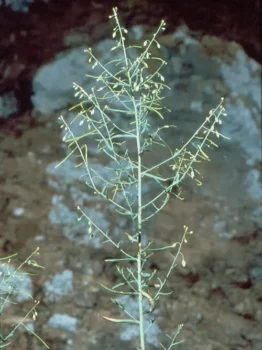
Shale Barren Rockcress: A Rare Gem Worth Protecting in Your Garden
If you’re drawn to unique native plants with a story to tell, shale barren rockcress (Arabis serotina) might just capture your heart. This little-known biennial belongs to the mustard family and calls the rocky slopes of Appalachia home. But before you start planning where to plant it, there’s something important you need to know about this botanical treasure.
A Plant on the Edge
Here’s the thing about shale barren rockcress – it’s incredibly rare. With a Global Conservation Status of S2, this plant is considered imperiled, and it’s actually listed as endangered in the United States. That means there are typically only 6 to 20 known occurrences, with just a few thousand individual plants remaining in the wild. Pretty sobering, right?
If you’re considering adding this plant to your garden, please make sure you source it responsibly. Only purchase from reputable native plant nurseries that propagate their stock rather than collecting from wild populations. Better yet, consider participating in conservation efforts to help protect this species in its natural habitat.
Where in the World?
Shale barren rockcress has a very limited native range, found only in Virginia and West Virginia. It’s what botanists call an endemic species – one that evolved in a specific place and exists nowhere else naturally. This plant has adapted to thrive in the unique shale barren ecosystems of the Appalachian region.
- Species observed
- No observations
What Makes It Special?
As a biennial, shale barren rockcress takes two years to complete its life cycle. In its first year, it focuses on growing roots and leaves. Come the second spring, it puts on quite a show with small, delicate white flowers that are typical of the mustard family. These four-petaled blooms might be modest in size, but they’re perfectly formed and attract small native bees and other pollinators during their brief flowering period.
Growing Shale Barren Rockcress
Let’s be honest – this isn’t a plant for beginners or those looking for easy garden additions. Shale barren rockcress has very specific requirements that mirror its native habitat:
- Soil: Needs well-draining, rocky, or sandy soils that mimic shale barrens
- Light: Performs best in full sun to partial shade
- Climate: Hardy in USDA zones 5-7
- Water: Prefers drier conditions once established
Perfect Garden Spots
If you’re up for the challenge and can source plants responsibly, shale barren rockcress works beautifully in:
- Rock gardens with excellent drainage
- Native plant restoration projects
- Specialized collections focusing on rare Appalachian flora
- Educational gardens highlighting conservation
The Bottom Line
Should you plant shale barren rockcress? Only if you’re committed to conservation, can provide the specific growing conditions it needs, and can source it responsibly. This plant is more than just a garden addition – it’s a living piece of Appalachian natural heritage that needs our protection.
If you’re looking for easier native alternatives that support pollinators, consider other members of the mustard family like wild ginger or native alternatives suited to your specific region. But if you’re passionate about rare plant conservation and have the right growing conditions, responsibly sourced shale barren rockcress could be a meaningful addition to your conservation garden.
Remember, every plant we grow and protect helps ensure these botanical treasures survive for future generations. Sometimes the most rewarding gardening experiences come from nurturing something truly special – and rare.