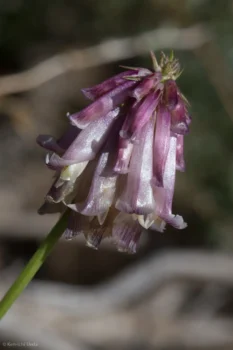
Shasta Clover: A Native Gem for Western Gardens
If you’re looking to add a touch of native charm to your Western garden while supporting local wildlife, Shasta clover (Trifolium productum) might just be the perfect addition. This delightful perennial forb brings both beauty and ecological benefits to landscapes across California, Nevada, and Oregon.
What Makes Shasta Clover Special?
Shasta clover is a true native of the American West, naturally occurring across three states in our region. As a member of the legume family, this hardy perennial does double duty – it beautifies your garden while quietly enriching your soil through nitrogen fixation. Talk about a multitasking plant!
Unlike its more aggressive cousin, white clover, Shasta clover maintains a well-behaved presence in the garden. Its small, dense flower heads bloom in shades of white to soft pink, creating a carpet of color that pollinators absolutely adore.
Where Does Shasta Clover Grow?
This native beauty calls the western states home, thriving naturally in California, Nevada, and Oregon. Its adaptable nature allows it to flourish in both arid western regions and the varied landscapes of western mountains, valleys, and coastal areas.
- Species observed
- No observations
Why Choose Shasta Clover for Your Garden?
There are plenty of reasons to fall in love with this native charmer:
- Pollinator magnet: The dense flower heads provide nectar for bees, butterflies, and other native pollinators
- Low maintenance: Once established, it’s quite drought tolerant and requires minimal care
- Soil improvement: As a legume, it naturally fixes nitrogen, enriching your garden soil
- Versatile placement: Works well in both wetland and non-wetland settings
- Native support: Helps maintain regional biodiversity by supporting local ecosystems
Perfect Garden Settings
Shasta clover shines brightest in naturalized landscapes and native plant gardens. Consider incorporating it into:
- Wildflower meadows
- Native plant borders
- Erosion control plantings
- Pollinator gardens
- Low-maintenance landscape areas
Growing Shasta Clover Successfully
The good news is that Shasta clover is relatively easy to grow, especially if you’re gardening within its natural range of USDA zones 5-9.
Ideal Growing Conditions
- Sunlight: Full sun to partial shade
- Soil: Well-draining soils of various types
- Water: Moderate water needs; drought tolerant once established
- Climate: Thrives in western climates with dry summers
Planting Tips
For best results, direct seed Shasta clover in fall or early spring when soil moisture is naturally higher. This timing allows the seeds to take advantage of winter rains and establish strong root systems before the heat of summer arrives.
Scatter seeds over prepared soil and lightly rake them in. Don’t bury them too deeply – clover seeds need some light to germinate properly. Keep the soil consistently moist until germination occurs, typically within 1-2 weeks under favorable conditions.
Caring for Your Shasta Clover
Once your Shasta clover is established, it’s remarkably low-maintenance. Here are a few simple care tips:
- Water regularly during the first growing season to help establish roots
- Reduce watering once established – this plant appreciates somewhat dry conditions
- Allow flowers to go to seed if you want natural reseeding
- Minimal fertilization needed thanks to its nitrogen-fixing abilities
Is Shasta Clover Right for Your Garden?
If you’re gardening in California, Nevada, or Oregon and want to support native ecosystems while creating a beautiful, low-maintenance landscape, Shasta clover deserves serious consideration. Its combination of pollinator appeal, soil-improving qualities, and drought tolerance makes it an excellent choice for sustainable gardening practices.
Just remember that as a native species, Shasta clover works best when planted within its natural range. If you’re gardening outside the western states, consider exploring native clover species that are indigenous to your specific region instead.
With its charming flowers, ecological benefits, and easy-going nature, Shasta clover proves that sometimes the best garden additions are the ones that have been thriving in your area all along. Why not give this native beauty a try in your next planting project?