Shasta Snakeroot: A Rare California Native Worth Protecting in Your Garden
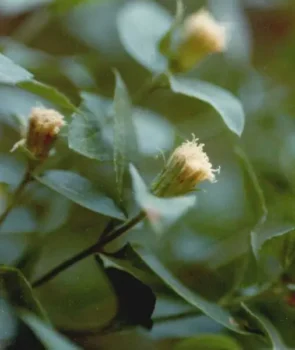
Meet Shasta snakeroot (Ageratina shastensis), a charming little shrub that’s as rare as it is beautiful. This California native is one of those special plants that makes you feel like you’re part of something bigger—conservation in action, right in your own backyard.
What Makes Shasta Snakeroot Special?
Shasta snakeroot is a perennial shrub that stays delightfully compact, typically growing under 1.5 feet tall and never exceeding 3 feet at maturity. Its low-growing, shrubby habit makes it perfect for gardeners who want native beauty without overwhelming their space. You might also see it listed under its former scientific name, Eupatorium shastense, but don’t let the name changes fool you—this is the same wonderful plant.
Where Does It Call Home?
This little treasure is native exclusively to California, specifically the Shasta region that gives it its common name. It’s what botanists call an endemic species—meaning it evolved in this specific area and occurs naturally nowhere else on Earth.
- Species observed
- No observations
A Plant That Needs Our Help
Here’s where things get serious for a moment. Shasta snakeroot has a Global Conservation Status of S2, which means it’s considered Imperiled. With typically only 6 to 20 known occurrences and somewhere between 1,000 to 3,000 individual plants remaining in the wild, this species is extremely vulnerable.
What does this mean for gardeners? If you’re lucky enough to find Shasta snakeroot available, make sure it comes from responsibly sourced material—never collected from wild populations. By growing this plant in your garden, you’re literally helping to preserve a piece of California’s natural heritage.
Garden Appeal and Landscape Role
Don’t think that rarity means boring! Shasta snakeroot produces clusters of small white flowers that are absolutely loved by pollinators. The blooms typically appear in late summer and fall, providing crucial nectar when many other plants are winding down for the season.
This plant shines in:
- Native plant gardens showcasing California flora
- Naturalized landscape areas
- Wildlife habitat restoration projects
- Pollinator gardens focused on supporting native species
Growing Shasta Snakeroot Successfully
The good news? Once established, Shasta snakeroot is relatively low-maintenance. Here’s how to give it the best chance to thrive:
Climate and Hardiness: This plant is best suited for USDA hardiness zones 7-9, matching its native California range.
Growing Conditions:
- Light: Partial shade to full sun
- Soil: Well-draining soils are essential
- Water: Moderate water needs; drought tolerant once established
- Maintenance: Minimal care required
Care Tips:
- Provide occasional deep watering during extended dry periods
- Avoid overwatering, which can lead to root problems
- Little to no fertilization needed—native plants prefer lean soils
- Allow natural leaf litter to remain around the base for soil health
Supporting Pollinators and Wildlife
Like many plants in the Asteraceae (sunflower) family, Shasta snakeroot is a pollinator magnet. Its late-season blooms provide essential nectar for native bees, butterflies, and other beneficial insects when food sources can be scarce. By planting this species, you’re creating a vital link in your local ecosystem’s food web.
The Conservation Gardener’s Choice
Growing Shasta snakeroot isn’t just about adding another plant to your garden—it’s about participating in conservation. Every responsibly grown plant represents hope for this imperiled species. You’ll be creating genetic diversity outside of wild populations and raising awareness about California’s unique flora.
If you can’t find Shasta snakeroot from reputable native plant sources, consider other Ageratina species or similar native alternatives that provide comparable ecological benefits while you keep searching for this rare gem.
Remember: when it comes to rare native plants, we’re not just gardeners—we’re stewards. And that’s a pretty special role to play.