Shining Clubmoss: A Living Fossil for Your Shade Garden
Meet the shining clubmoss (Huperzia lucidula), a fascinating plant that’s been around since before dinosaurs roamed the Earth. This isn’t your typical garden plant – it’s actually a lycopod, a primitive vascular plant that represents an ancient lineage predating flowering plants by hundreds of millions of years. If you’re looking to add something truly unique to your shade garden, this little green time-traveler might just be the conversation starter you need.
What Exactly Is Shining Clubmoss?
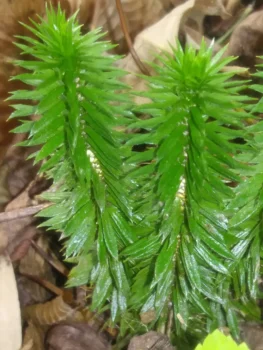
Don’t let the name fool you – shining clubmoss isn’t actually a moss at all! It’s a perennial lycopod that grows as a small, upright plant with glossy, needle-like leaves arranged in a spiral pattern around the stem. The shining part of its name comes from the lustrous, bright green foliage that catches light beautifully in dappled shade.
This little plant typically reaches 6-12 inches tall and spreads slowly through underground stems, forming small colonies over time. Its bottlebrush-like appearance makes it instantly recognizable once you know what to look for.
Where You’ll Find It Growing Wild
Shining clubmoss is native across a impressive range of North America, naturally occurring from southeastern Canada down through the eastern United States, and even extending into Puerto Rico. You can find it growing wild in states from Maine to Georgia, and as far west as Minnesota and New Mexico.
- Species observed
- No observations
However, it’s worth noting that this plant has become quite rare in some areas. In Alabama, it has a conservation status of S2 (imperiled), while Arkansas lists it as S2S3 (imperiled to vulnerable). This rarity makes responsible sourcing absolutely crucial if you’re considering adding it to your garden.
Is It Right for Your Garden?
Shining clubmoss can be a wonderful addition to the right garden, but it’s definitely not for everyone. Here’s what to consider:
The Good News
- Provides year-round evergreen interest
- Thrives in challenging shade conditions where other plants struggle
- Requires minimal maintenance once established
- Adds unique texture and ancient appeal to woodland gardens
- Native plant that supports local ecosystems
The Challenges
- Can be difficult to establish and slow to spread
- Requires consistently moist (but not soggy) conditions
- Limited availability due to rarity concerns
- Doesn’t provide direct benefits to pollinators like flowering plants
- May not survive in areas with hot, dry summers
Ideal Growing Conditions
Think cool, moist forest floor, and you’ll have the right idea for shining clubmoss. This plant is happiest in:
- Partial to full shade (morning sun is okay, but avoid harsh afternoon light)
- Consistently moist, well-draining soil
- Acidic soil conditions (pH 5.0-6.5)
- Cool, humid environments
- USDA hardiness zones 3-8
The wetland status varies by region, but generally, shining clubmoss is considered a facultative wetland plant, meaning it usually occurs in wetlands but can also thrive in moist, well-drained upland sites.
How to Identify Shining Clubmoss
Spotting shining clubmoss in the wild (or confirming what you’ve purchased) is easier once you know the key features:
- Small, upright stems 6-12 inches tall
- Glossy, bright green, needle-like leaves
- Leaves arranged spirally around the stem
- Often grows in small colonies
- Produces small, yellowish spore-bearing structures near the stem tips
- Evergreen appearance year-round
A Word About Responsible Gardening
Given the rarity of shining clubmoss in some regions, it’s crucial to source this plant responsibly. Never collect from wild populations, as this can harm already vulnerable communities. Instead, seek out reputable native plant nurseries that propagate their stock ethically. Some nurseries specialize in rare and unusual native plants and may be able to source shining clubmoss for you.
If you can’t find shining clubmoss or prefer easier alternatives, consider other native shade plants like wild ginger, mayapple, or various native ferns that can provide similar woodland garden appeal with less conservation concern.
The Bottom Line
Shining clubmoss is definitely a plant for the adventurous gardener who appreciates botanical oddities and has the right growing conditions. While it won’t provide the showy flowers or obvious wildlife benefits of other native plants, it offers something perhaps even more valuable: a living connection to Earth’s ancient past and a unique addition to naturalized woodland gardens.
If you have a cool, moist, shaded spot and can source the plant responsibly, shining clubmoss might just become the most interesting conversation piece in your garden. Just remember – you’re not just growing a plant, you’re cultivating a piece of natural history.