Shining Lady’s Tresses: A Rare Native Orchid Worth Protecting
If you’ve ever dreamed of growing native orchids in your garden, shining lady’s tresses (Spiranthes lucida) might just be the perfect candidate – though this delicate beauty comes with some important considerations. This charming perennial orchid creates a stunning spiral of tiny white flowers that seem to dance up its stem, making it a true conversation starter for any native plant enthusiast.
What Makes Shining Lady’s Tresses Special
Shining lady’s tresses is a native North American orchid that belongs to a fascinating group of plants called forbs – essentially non-woody flowering plants that die back to the ground each winter and return fresh each spring. Don’t let the forb classification fool you though; this is definitely not your average wildflower!
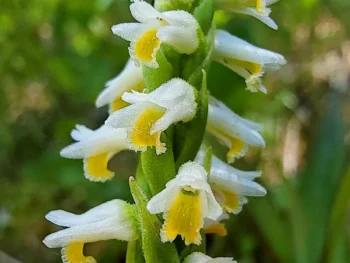
The plant gets its common name from the distinctive spiral arrangement of its small, creamy white flowers that twist elegantly around the stem like a braided hair ornament. These blooms typically appear in late summer to early fall, providing late-season interest when many other native plants are winding down.
Where You’ll Find This Native Beauty
Shining lady’s tresses has an impressive native range across eastern North America. You can find it naturally growing from southeastern Canada (including New Brunswick, Nova Scotia, Ontario, and Quebec) down through much of the eastern United States. Its range extends from Maine south to Alabama and from the Atlantic coast west into states like Kansas, Nebraska, and Missouri.
- Species observed
- No observations
Important Rarity Considerations
Before you get too excited about adding this orchid to your garden, there’s something crucial you need to know: shining lady’s tresses is considered rare in several states. It has an S1 (critically imperiled) status in Alabama and S2 (imperiled) status in both Arkansas and New Jersey, where it’s also listed as a Highlands species of concern.
What does this mean for gardeners? If you want to grow this beautiful native orchid, you absolutely must source it responsibly from reputable native plant nurseries that propagate their own stock – never collect from wild populations!
Growing Conditions: It’s All About the Water
As a facultative wetland species across all regions of its range, shining lady’s tresses has some specific moisture requirements. This orchid typically thrives in:
- Consistently moist to wet soils
- Partial shade to full sun locations
- Calcareous (alkaline) soils when possible
- USDA hardiness zones 3-8
Think bog gardens, wetland margins, or that perpetually damp spot in your yard that other plants struggle with – this is where shining lady’s tresses can really shine.
Perfect Garden Settings
This specialized orchid works beautifully in:
- Native plant gardens with consistent moisture
- Bog or rain gardens
- Naturalized wetland areas
- Native plant collections for orchid enthusiasts
Given its rarity and specific growing requirements, shining lady’s tresses is definitely more suited for dedicated native plant gardeners rather than casual landscapers.
Planting and Care Tips
Growing native orchids requires patience and the right approach:
- Source plants only from reputable native plant nurseries
- Plant in consistently moist, well-draining soil
- Maintain steady moisture levels – never let it completely dry out
- Avoid disturbing established plants once they’re settled
- Be patient – orchids can take time to establish and may not bloom every year
- Understand that these plants rely on complex mycorrhizal relationships with soil fungi
Wildlife and Pollinator Benefits
While small in stature, shining lady’s tresses provides valuable late-season nectar for small native bees and other tiny insects. The spiral arrangement of flowers creates an efficient landing platform for these pollinators, making it a beneficial addition to pollinator gardens despite its modest size.
Should You Grow Shining Lady’s Tresses?
This is a plant for dedicated native gardeners who understand and appreciate rare species. If you have the right growing conditions – particularly consistent moisture – and can source plants responsibly, shining lady’s tresses makes a remarkable addition to a native plant collection.
However, if you’re new to native gardening or don’t have the right growing conditions, you might want to start with more common native orchids or wetland plants before taking on this rare beauty.
Remember: by growing responsibly sourced shining lady’s tresses, you’re not just adding a unique plant to your garden – you’re participating in the conservation of a rare native species. That’s something worth bragging about to your gardening friends!