Shockley’s Buckwheat: A Hidden Gem for Water-Wise Gardens
If you’re searching for a tough, drought-tolerant native plant that won’t quit on you when the going gets dry, let me introduce you to Shockley’s buckwheat (Eriogonum shockleyi). This unassuming perennial might not have the flashiest name, but it’s a reliable performer that deserves a spot in water-wise gardens across the American Southwest.
What Makes Shockley’s Buckwheat Special?
Shockley’s buckwheat is a native perennial forb that’s perfectly adapted to life in some of America’s most challenging landscapes. Unlike woody shrubs, this herbaceous plant dies back to ground level each winter, then emerges fresh each spring with renewed vigor. It’s the botanical equivalent of that friend who always bounces back from adversity with a smile.
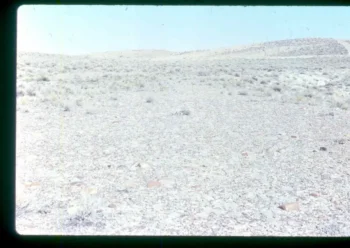
This native beauty calls the southwestern United States home, thriving naturally across Arizona, California, Colorado, Idaho, Nevada, New Mexico, and Utah. From the Great Basin to the Mojave Desert, it has learned to make the most of whatever Mother Nature throws its way.
- Species observed
- No observations
Garden Appeal and Design Potential
Don’t let its humble demeanor fool you – Shockley’s buckwheat brings subtle charm to the garden. Its clusters of small, white to pinkish flowers create a delicate cloud effect that pairs beautifully with the plant’s silvery-gray foliage. The blooms typically appear during the warmer months, providing a gentle contrast against desert landscapes or rock garden settings.
This versatile native works wonderfully in:
- Rock gardens and xerophytic landscapes
- Native plant gardens focused on regional flora
- Water-wise landscape designs
- Ground cover applications in appropriate climates
A Pollinator’s Best Friend
While Shockley’s buckwheat may look unassuming, it’s actually a pollinator magnet. The nectar-rich flowers attract bees, butterflies, and other beneficial insects, making it an excellent choice for gardeners who want to support local ecosystems. In a world where pollinators need all the help they can get, every native plant counts.
Growing Shockley’s Buckwheat Successfully
The best part about Shockley’s buckwheat? It’s refreshingly low-maintenance once you understand its preferences. This plant thrives in USDA hardiness zones 4-9, making it suitable for a wide range of climates.
Ideal Growing Conditions
Think desert tough when planning for this plant:
- Sunlight: Full sun exposure is essential
- Soil: Well-draining sandy or rocky soils work best
- Water: Drought tolerant once established; actually prefers dry conditions
- Drainage: Excellent drainage is non-negotiable – soggy feet will spell doom
Planting and Care Tips
Getting Shockley’s buckwheat established is straightforward if you follow a few key guidelines:
Timing: Plant in spring or fall when temperatures are moderate. This gives the plant time to establish before facing extreme weather.
Watering: Here’s where many well-meaning gardeners go wrong – less is definitely more. Water sparingly during establishment, then back off once the plant shows signs of vigorous growth. Overwatering is the fastest way to kill this desert native.
Maintenance: This is where Shockley’s buckwheat really shines. Once established, it requires minimal intervention. Simply remove spent flowers if you prefer a tidier appearance, though leaving them provides food for wildlife.
A Word About Responsible Gardening
Before you rush out to find Shockley’s buckwheat, there’s an important consideration. This species has a conservation status that suggests some populations may face challenges in the wild. As responsible gardeners, we should only source plants from reputable nurseries that propagate their stock rather than wild-collecting. Look for nurseries specializing in native plants, and don’t hesitate to ask about their sourcing practices.
Is Shockley’s Buckwheat Right for Your Garden?
This native gem is perfect for gardeners who:
- Live within its natural range and want to support local ecosystems
- Prefer low-maintenance, water-wise plants
- Want to attract pollinators with native species
- Appreciate subtle beauty over flashy displays
- Are committed to responsible plant sourcing
Shockley’s buckwheat may not be the showiest plant in the garden center, but for the right gardener in the right location, it’s a dependable native that connects your landscape to the natural heritage of the American Southwest. Sometimes the best plants are the ones that simply do their job well, year after year, without asking for much in return.