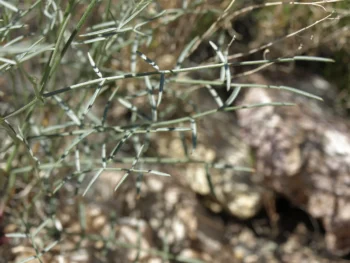
Shockley’s Milkvetch: A Desert Gem Worth Growing Responsibly
Meet Shockley’s milkvetch (Astragalus serenoi var. shockleyi), a charming native perennial that’s perfectly adapted to life in America’s southwestern deserts. This understated beauty might not win any flashy flower contests, but it’s got something better – the kind of resilience and ecological value that makes desert gardeners swoon.
Where Does Shockley’s Milkvetch Call Home?
This native gem naturally occurs in California and Nevada, where it’s carved out its niche in the challenging Mojave Desert environment. You might also know it by its synonym, Astragalus shockleyi, named after botanist William Hillman Shockley.
- Species observed
- No observations
A Word About Rarity
Before we dive into growing tips, here’s something important: Shockley’s milkvetch has a conservation status that suggests it’s not super common in the wild. If you’re thinking about adding this plant to your garden, make sure you source it responsibly from reputable native plant nurseries rather than collecting from wild populations. Our desert ecosystems need all the help they can get!
What Makes This Plant Special?
Shockley’s milkvetch brings several appealing qualities to the desert garden:
- Delicate purple to pink pea-like flowers that bloom in spring
- Silvery-green compound leaves that add textural interest
- Compact growth habit perfect for rock gardens or as accent plants
- Amazing drought tolerance once established
- Attracts native bees and butterflies to your garden
Perfect Garden Settings
This desert native shines in:
- Xerophytic and desert-themed gardens
- Rock gardens and succulent displays
- Native plant landscapes
- Water-wise garden designs
Growing Conditions That Make It Happy
Shockley’s milkvetch isn’t fussy, but it does have some preferences rooted in its desert heritage:
- Sunlight: Full sun is essential – this plant loves those bright, sunny days
- Soil: Well-draining sandy or rocky soils work best; avoid heavy clay that holds moisture
- Water: Drought tolerant once established, but appreciates occasional deep watering during extremely dry periods
- Climate: Thrives in USDA hardiness zones 8-10
Planting and Care Tips
Getting Shockley’s milkvetch established is pretty straightforward if you follow these guidelines:
- Best planting time: Fall planting gives roots time to establish before summer heat
- Soil preparation: Improve drainage by adding coarse sand or gravel if needed
- Watering: Water regularly the first season, then back off – overwatering is more dangerous than underwatering
- Maintenance: Minimal pruning needed; let it follow its natural growth pattern
Supporting Pollinators
One of the best reasons to grow Shockley’s milkvetch is its value to local wildlife. The spring flowers provide nectar for native bees and butterflies, making your garden a pit stop on important pollinator highways. In our increasingly developed landscapes, every native flowering plant counts!
Is This Plant Right for Your Garden?
Shockley’s milkvetch is an excellent choice if you’re gardening in its native range and want to support local ecosystems. It’s particularly perfect for gardeners who:
- Live in USDA zones 8-10
- Want low-maintenance, drought-tolerant plants
- Are creating wildlife-friendly landscapes
- Appreciate subtle, natural beauty over flashy displays
Just remember to source this somewhat uncommon plant responsibly, and you’ll have a beautiful, ecologically valuable addition to your desert garden that connects you directly to the wild landscapes of the American Southwest.