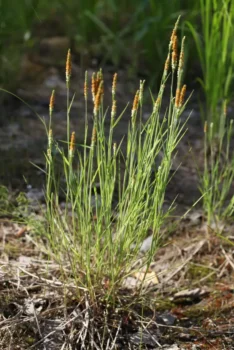
Shortawn Foxtail: A Hardy Native Grass for Wet Gardens
Meet shortawn foxtail (Alopecurus aequalis var. aequalis), a resilient native grass that’s perfectly at home in those soggy spots where other plants fear to tread. While it might not win any beauty contests, this unassuming perennial grass has earned its place in the native plant world through sheer adaptability and ecological value.
What Makes Shortawn Foxtail Special?
This hardy perennial grass goes by the scientific name Alopecurus aequalis var. aequalis, though you might also encounter it listed under several synonyms including Alopecurus aristulatus or Alopecurus geniculatus var. aristulatus. Don’t let the multiple names confuse you – they’re all referring to the same reliable wetland grass.
As a true native, shortawn foxtail has deep roots in North American ecosystems. This grass naturally occurs across an impressive range, from Alaska and Greenland down through Canada and into the lower 48 states. You can find it growing wild in locations spanning from coast to coast, including Alberta, British Columbia, California, New York, Montana, and dozens of states in between.
- Species observed
- No observations
A Note About Rarity
Before you start planning your shortawn foxtail garden, there’s something important to know: this species has become quite rare in some areas. In New Jersey, for example, it carries a rarity status of S2 and is Highlands Listed, meaning it’s considered imperiled in the state. If you’re lucky enough to find shortawn foxtail for your garden, make sure you’re sourcing it responsibly from reputable native plant nurseries rather than wild-collected specimens.
Where Does Shortawn Foxtail Shine?
This grass isn’t your typical lawn substitute – it has very specific preferences that make it perfect for certain garden situations:
- Rain gardens and bioswales
- Pond margins and water features
- Wetland restoration projects
- Naturalized meadow areas with consistent moisture
- Bog gardens and other specialized water gardens
Growing Conditions and Care
Shortawn foxtail thrives in USDA hardiness zones 2 through 8, making it suitable for most of North America’s climate zones. This grass is all about the water – it prefers consistently moist to wet soils and won’t tolerate drought conditions. Think of it as nature’s way of carpeting marshy areas and seasonal wetlands.
For light conditions, shortawn foxtail is fairly flexible, growing well in full sun to partial shade. Once established in the right conditions, it’s remarkably low-maintenance, requiring little intervention from gardeners who respect its moisture needs.
Aesthetic Considerations
Let’s be honest – shortawn foxtail isn’t going to be the showstopper in your garden. This is a grass that values function over form, producing small, soft, cylindrical flower spikes that are more subtle than spectacular. Its appeal lies in its ability to create a naturalized, meadow-like appearance in wet areas where few other plants can establish successfully.
Wildlife and Ecological Benefits
While shortawn foxtail is wind-pollinated and doesn’t directly attract pollinators like flowering plants do, it plays important ecological roles. As a native grass, it provides habitat structure in wetland ecosystems and contributes to the overall biodiversity of native plant communities.
Should You Plant Shortawn Foxtail?
Consider shortawn foxtail if you have consistently wet areas in your landscape and want to support native plant communities. It’s particularly valuable for gardeners involved in wetland restoration or those creating rain gardens for stormwater management. However, this isn’t a plant for dry gardens or traditional landscaping – it needs specific conditions to thrive.
Given its rarity in some regions, growing shortawn foxtail can also be a way to help conserve this native species, provided you source your plants responsibly. Just remember that success with this grass depends entirely on meeting its moisture requirements and understanding its specialized niche in the garden ecosystem.
If you’re looking for a hardy, native grass that can handle wet feet and contribute to naturalized landscapes, shortawn foxtail might be just the plant you’ve been searching for – even if it prefers to blend into the background rather than steal the spotlight.