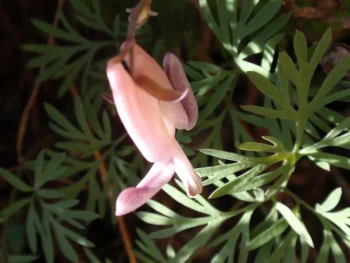
Shorthorn Steer’s-Head: A Rare Native Wildflower Worth Knowing About
If you’ve stumbled across the name shorthorn steer’s-head in your native plant research, you’ve discovered one of the more elusive members of the bleeding heart family. This perennial wildflower, scientifically known as Dicentra pauciflora, is a rare native gem that calls the western United States home.
What Makes This Plant Special
Shorthorn steer’s-head belongs to the beloved Dicentra genus, which includes the more familiar bleeding hearts that grace many shade gardens. As a native forb (that’s botanical speak for a soft-stemmed, non-woody flowering plant), this perennial lacks the woody tissue of shrubs and trees, instead dying back to its roots each winter and emerging fresh each spring.
Where You’ll Find It Growing Wild
This native beauty has a rather limited natural range, occurring only in California and Oregon. Its restricted distribution is part of what makes it such a special find for native plant enthusiasts.
- Species observed
- No observations
A Word of Caution About Rarity
Here’s where things get important: shorthorn steer’s-head has a Global Conservation Status of S3?, which indicates there’s some uncertainty about its exact conservation status. This rarity ranking suggests the species may be vulnerable or at risk in at least part of its range.
What does this mean for gardeners? If you’re lucky enough to encounter this plant, it’s crucial to:
- Never collect seeds or plants from wild populations
- Only obtain plants from reputable native plant nurseries with documented, responsibly sourced material
- Consider this a look but don’t touch species during nature walks
The Challenge of Growing Shorthorn Steer’s-Head
Unfortunately, detailed growing information for this particular species is extremely limited. This isn’t uncommon for rare native plants—they often haven’t been studied extensively for horticultural purposes, and their specific needs remain something of a mystery.
Without knowing its preferred growing conditions, hardiness zones, or care requirements, attempting to cultivate shorthorn steer’s-head would be a shot in the dark that could potentially harm both your garden success and wild populations if plants were sourced inappropriately.
Better Alternatives for Your Native Garden
If you’re drawn to the idea of growing native Dicentra species, consider these more readily available and well-understood relatives:
- Pacific bleeding heart (Dicentra formosa) – perfect for shady spots in the Pacific Northwest
- Golden eardrops (Dicentra chrysantha) – a California native that thrives in drier conditions
- Dutchman’s breeches (Dicentra cucullaria) – a charming spring ephemeral for eastern gardens
The Bigger Picture
While you might not be able to add shorthorn steer’s-head to your garden, learning about rare native plants like this one helps us appreciate the incredible diversity in our natural landscapes. Every rare species represents thousands of years of adaptation to specific conditions and plays a unique role in its ecosystem.
By choosing well-documented native alternatives and supporting conservation efforts, we can help ensure that future generations will still be able to discover these botanical treasures in the wild where they belong.
What You Can Do
Even if you can’t grow this rare beauty, you can still support native plant conservation by:
- Choosing locally native plants for your garden
- Supporting native plant societies and botanical gardens
- Participating in citizen science projects that document rare plant populations
- Spreading awareness about the importance of protecting native plant habitats
Sometimes the most responsible thing we can do as gardeners is simply appreciate a plant from afar and choose alternatives that won’t put rare species at risk.