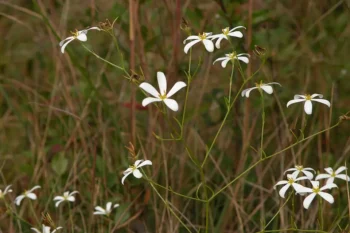
Shortleaf Rose Gentian: A Rare Native Beauty for Your Wetland Garden
Meet the shortleaf rose gentian (Sabatia brevifolia), a delicate annual wildflower that’s as charming as it is elusive. This southeastern native brings subtle pink blooms to wet meadows and garden edges, but its rarity makes it a special find for native plant enthusiasts.
What Makes Shortleaf Rose Gentian Special
The shortleaf rose gentian is a true forb – essentially a soft-stemmed flowering plant that lacks woody growth. As an annual, it completes its entire life cycle in one growing season, producing delicate 5-petaled pink flowers that bloom from late summer into fall. Don’t let its small stature fool you; this little beauty packs a punch when it comes to supporting local ecosystems.
Where You’ll Find This Native Gem
This southeastern specialty calls Alabama, Florida, Georgia, and South Carolina home. It’s perfectly adapted to the Atlantic and Gulf Coastal Plain regions, where it thrives in the transitional zones between wet and dry areas.
- Species observed
- No observations
A Word About Rarity
Important note for gardeners: Shortleaf rose gentian is considered rare, with a global conservation status of S3S4 and particularly vulnerable in Alabama where it’s rated S1. If you’re interested in growing this species, please source seeds or plants only from reputable native plant nurseries that practice responsible collection methods. Never harvest from wild populations.
Why Gardeners Love (and Should Grow) Shortleaf Rose Gentian
Here’s why this little native deserves a spot in your garden:
- Pollinator magnet: Those pink blooms attract butterflies and native bees
- Low maintenance: Once established, it largely takes care of itself
- Ecosystem support: Provides food and habitat for native wildlife
- Authentic regional character: Adds genuine southeastern charm to your landscape
- Wetland garden perfect: Thrives in those tricky moist spots
Perfect Garden Settings
Shortleaf rose gentian shines in:
- Native plant gardens
- Wildflower meadows
- Rain gardens
- Pond or stream edges
- Naturalized wetland areas
Growing Conditions That Make It Happy
This moisture-loving native prefers:
- Light: Full sun to partial shade
- Soil: Moist to wet conditions with good drainage
- Soil type: Sandy or organic-rich soils
- Climate: USDA hardiness zones 8-10
- Wetland status: Facultative wetland plant (usually found in wet areas but can tolerate some drier conditions)
Planting and Care Tips
Growing shortleaf rose gentian successfully requires mimicking its natural habitat:
- Seeding: Direct sow seeds in fall for spring germination
- Moisture: Maintain consistent soil moisture throughout the growing season
- Spacing: Allow natural spacing as plants self-seed
- Maintenance: Minimal care needed once established – let nature take its course
- Propagation: Primarily by seed; collect seeds responsibly from your own plants
The Bottom Line
Shortleaf rose gentian might be small and rare, but it’s a genuine treasure for southeastern gardeners who want to support native ecosystems. Its delicate pink blooms and wetland adaptations make it perfect for rain gardens, pond edges, and naturalized areas. Just remember to source it responsibly and give it the moist conditions it craves.
By choosing native plants like shortleaf rose gentian, you’re not just creating a beautiful garden – you’re helping preserve the natural heritage of the Southeast, one small pink flower at a time.