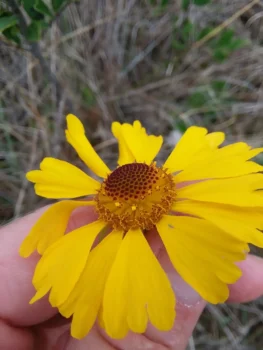
Shortleaf Sneezeweed: A Rare Wetland Gem Worth Protecting
Meet shortleaf sneezeweed (Helenium brevifolium), a delightful native wildflower that’s become something of a botanical treasure in the southeastern United States. Don’t let the name fool you – this charming perennial won’t make you sneeze, but it might just make you fall in love with wetland gardening!
What Makes Shortleaf Sneezeweed Special?
Shortleaf sneezeweed is a native perennial forb that brings sunny yellow blooms to wet areas when most other flowers are calling it quits for the season. This herbaceous plant produces distinctive daisy-like flowers with cheerfully notched petals that seem to wave hello from their wetland homes. Also known by its synonym Helenium curtisii, this species has adapted specifically to life in consistently moist environments.
Where Does It Grow Naturally?
This southeastern native calls nine states home: Alabama, Florida, Georgia, Louisiana, Mississippi, North Carolina, South Carolina, Tennessee, and Virginia. You’ll find it thriving in wet meadows, bog edges, and other naturally soggy spots throughout its range.
- Species observed
- No observations
A Plant That Needs Our Help
Here’s where things get serious – shortleaf sneezeweed is considered critically imperiled (S1 status) in Alabama, meaning it’s at high risk of disappearing from the state entirely. This rarity makes it an important conservation priority and means gardeners should only obtain plants from reputable native plant nurseries that use responsibly sourced, locally appropriate material.
Why Consider Growing Shortleaf Sneezeweed?
If you have the right growing conditions, here’s why this rare beauty deserves a spot in your landscape:
- Late-season blooms: Provides crucial nectar for pollinators when few other flowers are available
- Native wildlife support: Supports bees, butterflies, and other native pollinators
- Conservation value: Every responsibly grown plant helps preserve this rare species
- Specialized beauty: Perfect for unique wetland garden designs
- Low maintenance: Once established in proper conditions, requires minimal care
Perfect Garden Settings
Shortleaf sneezeweed isn’t your typical backyard flower – it’s a specialist that shines in specific situations:
- Rain gardens and bioswales
- Bog or wetland gardens
- Native plant restorations
- Pond or water feature margins
- Naturalized wet meadow areas
Growing Conditions: Think Wetland
This plant is classified as an obligate wetland species, which means it almost always occurs in wetlands in both the Atlantic and Gulf Coastal Plain region and the Eastern Mountains and Piedmont region. Here’s what it needs to thrive:
- Sunlight: Full sun exposure
- Soil moisture: Consistently moist to wet conditions
- Soil type: Tolerates various wet soil types
- USDA Zones: Hardy in zones 6-9
- Water: Can tolerate seasonal flooding
Planting and Care Tips
Growing shortleaf sneezeweed successfully is all about location, location, location:
- Source responsibly: Only purchase from reputable native plant nurseries using local ecotype material
- Plant in spring: Gives roots time to establish before blooming season
- Choose the wettest spot: This plant genuinely loves having wet feet
- Minimal fertilization: Native wetland plants typically don’t need added nutrients
- Be patient: May take a year or two to become fully established
The Bottom Line
Shortleaf sneezeweed isn’t for every garden, but for the right situation, it’s absolutely perfect. If you have a consistently wet, sunny spot and want to support native biodiversity while growing something truly special, this rare beauty could be your perfect match. Just remember – with great beauty comes great responsibility. Always source plants ethically and consider yourself a guardian of this precious native species.
Not quite the right fit for your space? Consider other native Helenium species or wetland-loving natives like swamp milkweed, blue flag iris, or cardinal flower that might be better suited to your specific conditions and local ecosystem.