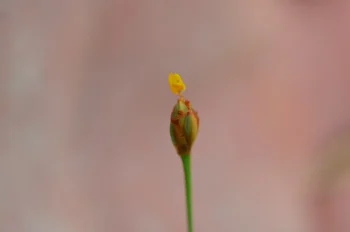
Shortleaf Yelloweyed Grass: A Specialized Native for Wetland Gardens
If you’re looking to add authentic southeastern charm to your wetland garden or rain garden, shortleaf yelloweyed grass (Xyris brevifolia) might just be the perfect native plant you’ve been searching for. This unassuming perennial forb brings a delicate, grass-like texture and sunny yellow blooms to consistently wet areas where many other plants would simply throw in the towel.
Meet the Shortleaf Yelloweyed Grass
Despite its common name suggesting it’s a grass, shortleaf yelloweyed grass is actually a forb – a herbaceous flowering plant that lacks woody stems. This native beauty forms small clumps of narrow, grass-like leaves topped with slender spikes of cheerful yellow flowers. It’s the kind of plant that whispers rather than shouts, adding subtle texture and seasonal color to specialized garden settings.
Where It Calls Home
Shortleaf yelloweyed grass is a true southern native, naturally occurring across Alabama, Florida, Georgia, North Carolina, and South Carolina. As an obligate wetland plant, it’s perfectly adapted to the wet, acidic conditions found in bogs, wet pine savannas, and seasonal wetlands throughout the southeastern United States.
- Species observed
- No observations
Why Gardeners Choose Shortleaf Yelloweyed Grass
This specialized native offers several compelling reasons to include it in the right garden setting:
- Authentic regional character: Adds genuine southeastern ecosystem authenticity to native plant gardens
- Wetland expertise: Thrives in consistently wet conditions where many plants struggle
- Pollinator support: Yellow flowers attract small pollinators during blooming season
- Low maintenance: Once established in proper conditions, requires minimal care
- Textural interest: Grass-like foliage provides fine texture contrast in plant compositions
Perfect Garden Settings
Shortleaf yelloweyed grass isn’t for every garden – and that’s perfectly okay! This plant excels in specialized settings including:
- Bog gardens and constructed wetlands
- Rain gardens with consistently moist conditions
- Native plant gardens focusing on southeastern ecosystems
- Naturalistic wetland restoration projects
- Specialized collectors’ gardens featuring Xyris species
Growing Conditions and Care
Success with shortleaf yelloweyed grass comes down to understanding and meeting its specific needs:
Moisture: This plant demands consistently wet to moist soil conditions year-round. Think bog-like conditions rather than typical garden moisture.
Soil: Prefers acidic soils with good organic content. Sandy or peaty soils that stay consistently moist work best.
Light: Thrives in full sun to partial shade, though flowering may be better in sunnier locations.
Climate: Hardy in USDA zones 8-10, matching its native southeastern range.
Planting and Establishment Tips
Getting shortleaf yelloweyed grass established requires attention to detail:
- Source plants from reputable native plant nurseries specializing in wetland species
- Plant in spring when soil temperatures are warming but moisture is still abundant
- Ensure planting site maintains consistent moisture – never allow soil to dry out
- Avoid fertilizing, as this plant is adapted to nutrient-poor wetland conditions
- Be patient – establishment may take a full growing season
Is This Plant Right for Your Garden?
Shortleaf yelloweyed grass is definitely a specialist plant that requires honest assessment of your garden conditions. Choose this native if you have or can create consistently wet, acidic conditions and appreciate subtle, naturalistic beauty. Skip it if you’re looking for a low-water plant, dramatic visual impact, or something for typical garden conditions.
For gardeners committed to authentic southeastern wetland restoration or those with the right wet garden conditions, shortleaf yelloweyed grass offers a chance to grow something truly special – a piece of the Southeast’s natural wetland heritage right in your own landscape.