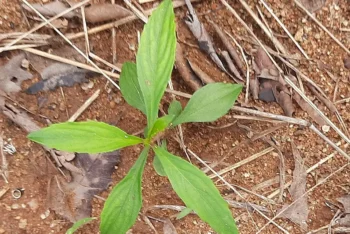
Short’s Goldenrod: A Rare Native Treasure Worth Protecting
Meet Short’s goldenrod (Solidago shortii), one of North America’s most endangered wildflowers and a true botanical gem that deserves our attention and protection. This perennial native plant might be small in stature and limited in range, but it packs a big punch when it comes to conservation value and late-season garden appeal.
What Makes Short’s Goldenrod Special?
Short’s goldenrod is a charming perennial forb – essentially a non-woody flowering plant that comes back year after year. Like other members of the goldenrod family, it produces clusters of bright yellow flowers that light up the landscape in late summer and early fall. However, what truly sets this plant apart is its incredible rarity and the urgent need for conservation efforts.
A Plant on the Edge: Understanding Its Rarity
Here’s where things get serious, fellow gardeners. Short’s goldenrod is classified as critically imperiled with a Global Conservation Status of S1, and it’s listed as endangered in the United States. This means there are typically fewer than 5 occurrences in the wild, with less than 1,000 individual plants remaining. That’s not a typo – we’re talking about one of our continent’s rarest native plants!
If you’re considering adding this species to your garden, please ensure you source it responsibly from reputable native plant nurseries that propagate from legally obtained seeds or divisions, never from wild-collected plants.
Where Does Short’s Goldenrod Call Home?
Short’s goldenrod has an extremely limited native range, found naturally only in Kentucky and Indiana. Most populations exist in Kentucky’s Blue Grass region, making this a true regional endemic. Its restricted distribution is part of what makes this plant so vulnerable to extinction.
- Species observed
- No observations
Garden Appeal and Landscape Role
While its rarity means Short’s goldenrod isn’t your typical garden center find, it offers several appealing qualities for the conservation-minded gardener:
- Bright yellow flowers that bloom in late summer when many other natives are winding down
- Compact growth habit suitable for smaller native plant gardens
- Low maintenance requirements once established
- Important late-season nectar source for pollinators
Pollinator and Wildlife Benefits
Like its goldenrod cousins, Short’s goldenrod serves as a valuable pollinator plant, attracting bees, butterflies, and other beneficial insects during its late-summer blooming period. This timing is particularly crucial as it provides nectar when many other flower sources are becoming scarce, helping sustain pollinator populations through the transition to fall.
Growing Conditions and Care
Short’s goldenrod is surprisingly adaptable for such a rare plant. Here’s what it needs to thrive:
- Sunlight: Full sun to partial shade
- Soil: Well-drained soils; avoid waterlogged conditions
- Water: Drought tolerant once established, but benefits from occasional watering during dry spells
- USDA Zones: Hardy in zones 5-7
Planting and Care Tips
If you’re fortunate enough to obtain responsibly sourced Short’s goldenrod, here’s how to give it the best start:
- Plant in spring after the last frost date
- Ensure good drainage – this is crucial for success
- Water regularly during the first growing season to establish roots
- Minimal fertilization needed; too much can actually harm native plants
- Consider dividing clumps every 3-4 years to maintain vigor
- Allow seed heads to remain through winter for wildlife food
Should You Grow Short’s Goldenrod?
The short answer is: only if you can source it responsibly and are committed to conservation. This isn’t a plant for casual gardeners or impulse purchases. However, if you’re passionate about native plant conservation and have the opportunity to grow this rare species from ethically sourced material, you’d be participating in an important conservation effort.
For most gardeners interested in goldenrods, consider more common native alternatives like Solidago speciosa (showy goldenrod) or Solidago rigida (stiff goldenrod), which offer similar late-season color and pollinator benefits without the conservation concerns.
A Plant Worth Protecting
Short’s goldenrod represents both the beauty and fragility of our native plant heritage. While it may not be the right choice for every garden, understanding and appreciating rare plants like this one reminds us of the importance of protecting native habitats and supporting conservation efforts. Whether you grow it or simply learn about it, Short’s goldenrod serves as a powerful symbol of what we stand to lose – and what we can still save – in our native plant communities.