Shortspike Watermilfoil: A Native Aquatic Beauty for Your Water Garden
If you’re looking to add some feathery, underwater elegance to your pond or water garden, shortspike watermilfoil (Myriophyllum sibiricum) might just be the native aquatic plant you’ve been searching for. This delicate-looking perennial brings both beauty and ecological benefits to water features across much of North America.
What is Shortspike Watermilfoil?
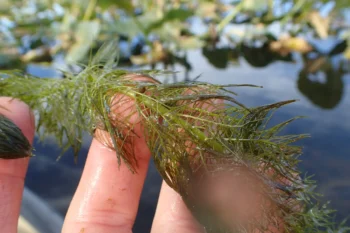
Shortspike watermilfoil is a native North American aquatic plant that’s been quietly beautifying waterways for centuries. As a forb (that’s botanist-speak for a non-woody herbaceous plant), it lacks the thick, woody stems you’d find on shrubs or trees. Instead, it produces soft, feathery foliage that dances gracefully underwater and sends up small flower spikes above the surface.
This perennial plant is perfectly adapted to life in the water, classified as an obligate wetland species across all regions where it grows. That means it almost always occurs in wetlands – it’s basically a water baby that can’t live anywhere else!
Where Does It Grow Naturally?
Shortspike watermilfoil has an impressively wide native range, naturally occurring across Alaska, Canada (including Greenland), the lower 48 states, and even St. Pierre and Miquelon. You can find it growing wild in an extensive list of locations, from Alberta and British Columbia in the west to Newfoundland and Nova Scotia in the east, and from Alaska’s chilly waters down to states like Arizona and New Mexico.
- Species observed
- No observations
A Word of Caution: Rarity Status
Before you rush out to find this plant, there’s something important to know: shortspike watermilfoil is considered endangered in New Jersey, where it holds a rarity status of S1 and is listed for both the Pinelands and Highlands regions. If you’re gardening in New Jersey or other areas where it might be rare, please only obtain plants from responsible, reputable sources – never collect from wild populations.
Why Grow Shortspike Watermilfoil?
There are several compelling reasons to consider this native aquatic plant for your water garden:
- Natural beauty: The finely dissected underwater foliage creates stunning texture and movement beneath the water’s surface
- Oxygenation: Like other submerged aquatic plants, it helps oxygenate pond water
- Wildlife support: The small emergent flowers provide nectar for various aquatic insects and pollinators
- Native plant gardening: Supporting local ecosystems by growing plants that naturally belong in your region
- Low maintenance: Once established, it requires minimal care
Perfect Garden Settings
Shortspike watermilfoil is ideal for:
- Natural or naturalized ponds
- Water gardens and aquatic features
- Constructed wetlands
- Bog gardens with standing water
- Restoration projects for native wetland habitats
Growing Conditions and Care
This hardy native is surprisingly easy to grow once you understand its needs:
Sunlight: Prefers full sun to partial shade
Water requirements: Requires permanent standing water – this isn’t a plant for dry conditions!
Hardiness: Extremely cold-tolerant, thriving in USDA zones 2-8
Planting depth: Submerge containers 1-3 feet deep
Planting and Care Tips
Getting started with shortspike watermilfoil is straightforward:
- Plant in containers or weighted planting baskets to control spread
- Use aquatic planting media or heavy garden soil (avoid potting mix that floats)
- Submerge the planted container 1-3 feet below the water surface
- Choose a location with good water circulation
- Once established, it can spread naturally through plant fragments
- Minimal fertilization needed – it gets most nutrients from the water
The Bottom Line
Shortspike watermilfoil is a wonderful choice for gardeners looking to create authentic, native aquatic gardens. Its delicate beauty, low maintenance requirements, and ecological benefits make it a valuable addition to water features across its wide native range. Just remember to source it responsibly, especially if you’re in areas where it’s considered rare, and enjoy watching this graceful native transform your water garden into a thriving aquatic ecosystem.