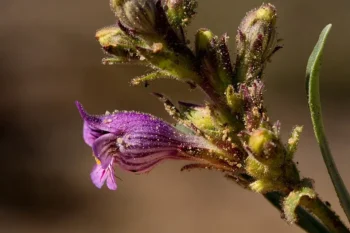
Shortstem Beardtongue: A Hidden Gem for Native Plant Enthusiasts
Meet the shortstem beardtongue (Penstemon breviculus), a delightfully compact native wildflower that’s been quietly stealing hearts across the American Southwest. This unassuming perennial might not have the flashiest name, but don’t let that fool you – it packs serious charm into its petite package.
What Makes Shortstem Beardtongue Special?
As its common name suggests, this little beauty keeps things low and tidy. The shortstem beardtongue is a herbaceous perennial forb, meaning it’s a non-woody plant that comes back year after year, dying back to the ground in winter only to emerge fresh and ready for action each spring.
Part of the beloved Penstemon family, this species produces the signature tubular flowers that make gardeners and pollinators alike do a happy dance. The blooms typically showcase lovely purple-blue hues that seem to glow against the plant’s modest foliage.
Where Does It Call Home?
Shortstem beardtongue is a true child of the American Southwest, naturally occurring across four states: Arizona, Colorado, New Mexico, and Utah. This native plant has spent centuries perfecting the art of thriving in the region’s challenging conditions, making it a fantastic choice for gardeners wanting to work with nature rather than against it.
- Species observed
- No observations
A Word of Caution: This Beauty Is Vulnerable
Here’s where things get important, fellow plant lovers. Shortstem beardtongue carries a Global Conservation Status of S3, which translates to Vulnerable. This means the species is considered at risk, with only an estimated 21 to 100 occurrences or between 3,000 and 10,000 individuals remaining in the wild.
What does this mean for you as a gardener? While we absolutely encourage growing this native gem, please – and we cannot stress this enough – only source your plants or seeds from reputable native plant nurseries that practice responsible propagation. Never collect from wild populations.
Why Your Garden (and Local Wildlife) Will Love It
Shortstem beardtongue isn’t just a pretty face – it’s a pollinator magnet! Those tubular flowers are perfectly designed to attract:
- Hummingbirds (they go absolutely crazy for penstemons!)
- Native bees looking for nectar
- Butterflies seeking a sweet treat
In your landscape design, this compact charmer works beautifully as:
- A rock garden specimen
- Ground cover in naturalized areas
- An accent plant in xeriscapes
- A key player in native plant gardens
Growing Shortstem Beardtongue Successfully
The good news? This plant practically grows itself once you get the basics right. Having evolved in the Southwest, shortstem beardtongue is wonderfully adapted to challenging conditions.
Ideal Growing Conditions
- Sunlight: Full sun to partial shade
- Soil: Well-draining soil is absolutely critical – think rocky, sandy, or amended clay
- Water: Drought tolerant once established; actually prefers drier conditions
- USDA Hardiness Zones: 4-8
Planting and Care Tips
When to plant: Spring is your best bet, giving the plant time to establish before facing its first winter.
Soil prep: If you have heavy clay soil, work in some coarse sand or gravel to improve drainage. This plant would rather be thirsty than have wet feet!
Watering: Water regularly the first season to help establishment, then step back and let nature take over. Overwatering is more likely to kill this plant than underwatering.
Maintenance: Deadhead spent flowers to encourage continued blooming throughout the season. In late fall or early spring, you can cut back the previous year’s growth.
The Bottom Line
Shortstem beardtongue deserves a spot in any native plant enthusiast’s garden. It’s low-maintenance, supports local wildlife, and adds authentic regional character to your landscape. Just remember to source responsibly – our vulnerable native plants need our protection, not additional pressure from wild collection.
By choosing to grow shortstem beardtongue from responsibly sourced material, you’re not just adding beauty to your garden – you’re becoming a conservation hero, one small plant at a time.