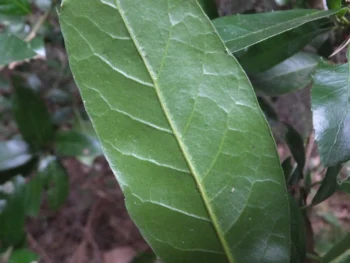
Shreve Oak: A Native California Tree Worth Knowing
Meet the Shreve oak (Quercus parvula var. shrevei), a native California tree that deserves a spot on every native plant enthusiast’s radar. While this particular variety might not be as well-known as some of its oak cousins, it represents an important piece of California’s natural heritage and could be a valuable addition to the right garden setting.
What Makes Shreve Oak Special?
As a variety of the island scrub oak, Shreve oak is a true California native, exclusively found within the Golden State. This perennial tree typically grows as a single-stemmed specimen, reaching heights greater than 13-16 feet under ideal conditions, though environmental factors can sometimes result in a shorter, multi-stemmed growth pattern.
Where Does Shreve Oak Grow?
Shreve oak is endemic to California, making it a perfect choice for gardeners who want to support local ecosystems and create authentic native landscapes. Its natural range is limited to specific areas within the state, which adds to its uniqueness as a garden specimen.
- Species observed
- No observations
Why Consider Shreve Oak for Your Garden?
Here’s why this native oak might be worth considering:
- True California native: Supporting local ecosystems and wildlife
- Tree form: Provides structure and height to landscape designs
- Perennial longevity: A long-term investment in your garden’s future
- Conservation value: Growing native species helps preserve genetic diversity
The Reality Check
Here’s where we need to be honest: specific information about Shreve oak’s growing requirements, appearance, and garden performance is quite limited. This variety appears to be either very specialized or understudied, which means gardeners interested in this tree will need to do some detective work.
If you’re drawn to this plant, we’d recommend:
- Contacting local native plant societies in California
- Reaching out to botanical gardens or university extension services
- Connecting with specialized native oak growers
- Considering the more widely available Quercus parvula (island scrub oak) if you can’t locate this specific variety
A Note About Responsible Sourcing
Given the limited information available about this variety and its restricted California range, if you do locate Shreve oak for your garden, make sure you’re purchasing from reputable native plant nurseries that source their material responsibly. Never collect plants from wild populations.
The Bottom Line
Shreve oak represents the fascinating diversity within California’s native oak family. While we’d love to give you detailed growing instructions and design tips, the limited available information about this specific variety means you’ll be somewhat pioneering if you choose to grow it. For most gardeners, exploring other well-documented California native oaks might be a more practical starting point, but for the adventurous native plant enthusiast, Shreve oak could be an intriguing project.
Have experience with Shreve oak? We’d love to hear about it, as every bit of growing knowledge helps build our understanding of these special native trees.