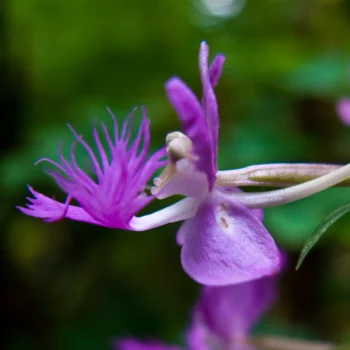
Shriver’s Purple Fringed Orchid: A Rare Gem Best Admired in the Wild
If you’ve ever dreamed of having a native orchid grace your garden, Shriver’s purple fringed orchid might catch your eye. But before you start planning where to plant this beauty, there’s something important you need to know about this exceptionally rare wildflower.
What Makes This Orchid Special
Shriver’s purple fringed orchid (Platanthera ×shriveri) is actually a natural hybrid orchid, which explains the × symbol in its scientific name. This perennial forb produces stunning purple flowers with the characteristic fringed petals that give it such visual appeal. As a member of the orchid family, it brings an exotic touch to the native plant world of eastern North America.
Where You’ll Find It Growing Wild
This rare orchid calls eastern North America home, with populations scattered across Canada’s Maritime provinces (New Brunswick, Nova Scotia, Prince Edward Island, and Newfoundland) and extending south through numerous U.S. states including Connecticut, Maine, Maryland, Massachusetts, Michigan, New Hampshire, New York, North Carolina, Pennsylvania, Rhode Island, Vermont, Virginia, and West Virginia.
- Species observed
- No observations
A Critical Conservation Concern
Here’s where things get serious: Shriver’s purple fringed orchid has a Global Conservation Status of S1, meaning it’s critically imperiled. With typically five or fewer occurrences and very few remaining individuals (fewer than 1,000), this orchid is dancing dangerously close to the edge of extinction.
What this means for gardeners: While it’s natural to want to grow such a rare beauty, attempting to cultivate this orchid could actually harm wild populations if plants are collected from nature. If you’re absolutely determined to try growing it, only use material from verified, responsibly managed sources that propagate plants ethically.
Growing Conditions (For the Truly Dedicated)
Should you manage to source this orchid responsibly, understand that you’re taking on one of gardening’s greatest challenges. This species thrives in:
- Moist to wet, acidic soils
- Partial shade to dappled sunlight
- Cool, humid conditions typical of bog margins and wetland edges
- USDA hardiness zones 3-7
As a facultative wetland species in the Eastern Mountains and Piedmont region, it can handle both wetland and non-wetland conditions, but consistently moist soil seems to be key to its success.
The Reality of Orchid Cultivation
Let’s be honest: native orchids like Shriver’s purple fringed orchid are notoriously difficult to grow. They depend on specific mycorrhizal fungi partnerships in the soil, have complex germination requirements, and often struggle to survive transplantation. Even experienced orchid growers find native species challenging.
Pollinator and Wildlife Benefits
In its natural habitat, this orchid serves as an important nectar source for moths and butterflies, particularly hawkmoths that can navigate its long nectar spurs. By protecting existing wild populations, we preserve these vital pollinator relationships.
Better Alternatives for Your Garden
Instead of risking harm to this critically imperiled species, consider these more common native orchids and orchid-like plants that can bring similar beauty to your garden:
- Wild ginger (Asarum canadense) for interesting foliage
- Pink lady’s slipper (Cypripedium acaule) if you can source it responsibly
- Native iris species for purple blooms
- Wild bergamot (Monarda fistulosa) for pollinator appeal
The Best Way to Enjoy This Orchid
The most responsible way to appreciate Shriver’s purple fringed orchid is to seek it out in its natural habitat during blooming season. Consider joining botanical walks, visiting nature preserves, or supporting conservation organizations working to protect rare orchid populations.
Sometimes the greatest act of plant love is simply leaving something beautiful exactly where it belongs – thriving in the wild for future generations to discover and admire.