Shrubby Fivefingers: A Hardy Native Ground Cover for Cool Climate Gardens
If you’re looking for a tough, low-maintenance ground cover that can handle harsh conditions while providing subtle beauty, shrubby fivefingers (Sibbaldiopsis tridentata) might be just what your garden needs. This resilient native perennial brings understated charm to challenging garden spots where other plants might struggle.
What is Shrubby Fivefingers?
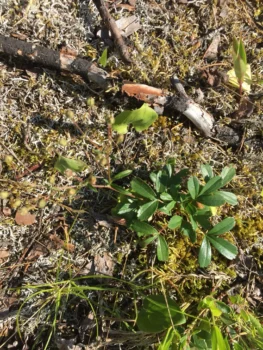
Shrubby fivefingers is a low-growing perennial herb that forms dense mats close to the ground. Despite its common name suggesting a shrubby nature, this plant is actually a forb – a non-woody perennial that lacks significant woody tissue above ground. You might also encounter this plant under its former botanical name, Potentilla tridentata, as it was recently reclassified.
The plant gets its fivefingers name from its distinctive leaves, though they actually have three leaflets rather than five. Each leaflet has three teeth at the tip, giving rise to another common reference as three-toothed cinquefoil.
Native Range and Distribution
Shrubby fivefingers is a true North American native, naturally occurring across a vast range from Canada’s subarctic regions down through the northern and mountainous areas of the United States. You’ll find it growing wild from Newfoundland to Saskatchewan in Canada, and south through states like Maine, New Hampshire, Vermont, and extending into the mountains of states like North Carolina, Tennessee, and Georgia.
- Species observed
- No observations
Important Conservation Note
Before you rush to add this plant to your garden, there’s something important to know: shrubby fivefingers is considered endangered in New Jersey, where it holds a rarity status of S1.1. This means if you’re interested in growing this plant, it’s crucial to source it from reputable native plant nurseries that propagate their stock responsibly rather than collecting from wild populations.
Why Grow Shrubby Fivefingers?
This hardy little plant offers several compelling reasons to include it in your landscape:
- Extreme hardiness: Thrives in USDA zones 2-6, handling bitter cold with ease
- Low maintenance: Once established, requires minimal care
- Unique aesthetic: Small white flowers in summer followed by attractive fall color
- Erosion control: Dense mat-forming habit helps stabilize soil
- Native wildlife support: Flowers attract small native pollinators
Appearance and Seasonal Interest
Shrubby fivefingers may be subtle, but it has its moments to shine. In early summer, the plant produces clusters of small, white, five-petaled flowers that create a delicate carpet effect. The real show, however, comes in fall when the three-part leaves turn brilliant shades of red and orange, providing unexpected drama in rock gardens and naturalistic plantings.
The plant stays quite low, typically reaching only 2-6 inches in height but spreading to form mats up to 12 inches wide. This growth pattern makes it excellent for filling spaces between rocks or covering challenging slopes.
Ideal Garden Settings
Shrubby fivefingers shines in specific garden situations:
- Rock gardens: Perfect for tucking between stones and boulders
- Alpine gardens: Mimics its natural mountain habitat
- Woodland edges: Thrives in the transition between sun and shade
- Naturalistic landscapes: Adds authenticity to native plant gardens
- Challenging slopes: Helps prevent erosion while looking attractive
Growing Conditions
Success with shrubby fivefingers comes down to understanding its preferences, which mirror its natural habitat:
- Soil: Well-drained, acidic soils are essential; avoid heavy clay or constantly wet conditions
- Light: Partial shade to full sun, with some afternoon shade in warmer zones
- Moisture: Moderate moisture during establishment, then quite drought tolerant
- Climate: Prefers cool summers and cold winters; struggles in hot, humid conditions
The plant’s wetland status is Facultative Upland across most regions, meaning it typically prefers non-wetland conditions but can occasionally tolerate wetter soils.
Planting and Care Tips
Getting shrubby fivefingers established successfully requires attention to a few key details:
- Timing: Plant in spring or early fall when temperatures are cool
- Soil preparation: Amend heavy soils with coarse sand and organic matter for drainage
- Spacing: Plant 8-12 inches apart for ground cover effect
- Watering: Keep consistently moist the first growing season, then reduce watering
- Mulching: Use a light gravel mulch rather than organic mulch to prevent crown rot
Maintenance
One of shrubby fivefingers’ best qualities is its low-maintenance nature. Once established, it requires little intervention:
- No regular fertilizing needed – it prefers lean soils
- Deadheading isn’t necessary unless you want to prevent self-seeding
- Division can be done in spring if you want to propagate or control spread
- Winter protection is unnecessary in its hardiness range
Wildlife and Pollinator Benefits
While shrubby fivefingers may seem modest, it plays an important role in supporting native ecosystems. The small white flowers attract various small pollinators, including native bees, flies, and occasionally small butterflies. The dense mat provides shelter for beneficial ground-dwelling insects and can serve as a landing pad for larger pollinators visiting nearby plants.
Is Shrubby Fivefingers Right for Your Garden?
Shrubby fivefingers is an excellent choice if you:
- Garden in zones 2-6 with cool summers
- Have challenging spots with poor, rocky, or acidic soil
- Want a low-maintenance native ground cover
- Appreciate subtle beauty over flashy displays
- Are creating habitat for native wildlife
However, it might not be the best fit if you:
- Live in hot, humid climates (zones 7 and above)
- Have heavy, poorly-drained clay soil
- Prefer plants with showy, long-lasting flowers
- Need quick coverage – this plant spreads slowly but steadily
Final Thoughts
Shrubby fivefingers represents the quiet beauty of North American native plants. It may not demand attention with bold blooms or dramatic foliage, but it offers something equally valuable: reliable performance in difficult conditions and authentic native character. For gardeners in cooler climates looking to create sustainable, low-maintenance landscapes that support local ecosystems, this humble ground cover deserves serious consideration.
Just remember to source your plants responsibly, especially given its endangered status in some areas. By choosing propagated plants from reputable nurseries, you’ll be supporting both your garden goals and conservation efforts – a win-win for everyone involved.