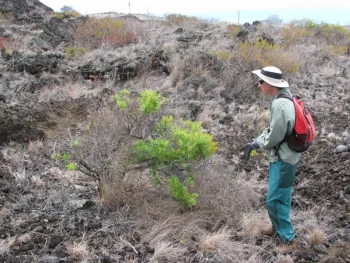
Shrubland Dubautia: A Rare Hawaiian Native Worth Protecting in Your Garden
If you’re passionate about Hawaiian native plants and want to make a real conservation impact in your garden, shrubland dubautia (Dubautia linearis) might just be the perfect addition to your landscape. This charming little shrub is more than just a pretty face – it’s a vulnerable species that deserves our attention and care.
What Makes Shrubland Dubautia Special?
Shrubland dubautia is a perennial shrub that’s exclusively native to Hawaii, making it a true island treasure. This multi-stemmed woody plant typically stays compact, growing to less than 13-16 feet in height, though it usually remains much smaller in garden settings. Its narrow, linear leaves give it a delicate, almost grass-like appearance that adds wonderful texture to native plant gardens.
The plant produces clusters of small, daisy-like flowers that may seem modest at first glance, but they’re absolutely vital to Hawaii’s native ecosystem. These blooms attract native Hawaiian insects and provide important nectar sources for local wildlife.
Where Does It Naturally Grow?
Shrubland dubautia is found exclusively in Hawaii, where it thrives in dry shrublands and forest margins throughout the islands. It’s perfectly adapted to Hawaii’s unique climate and soil conditions, making it an excellent choice for authentic Hawaiian landscaping.
- Species observed
- No observations
A Conservation Alert: Handle with Care
Here’s something crucial every gardener should know: shrubland dubautia has a Global Conservation Status of S3, meaning it’s considered vulnerable. With only 21 to 100 known occurrences and an estimated 3,000 to 10,000 individuals remaining in the wild, this species is at risk of disappearing forever.
If you choose to grow shrubland dubautia, please only source it from reputable native plant nurseries that propagate their stock responsibly. Never collect plants or seeds from wild populations – this could harm the very species we’re trying to protect.
Why Grow Shrubland Dubautia?
Despite its vulnerable status (or perhaps because of it), there are compelling reasons to include this plant in your Hawaiian garden:
- Conservation impact: Growing native plants helps preserve Hawaii’s unique botanical heritage
- Pollinator support: Provides nectar for native Hawaiian insects and birds
- Low maintenance: Once established, it’s quite drought-tolerant and requires minimal care
- Authentic landscaping: Perfect for creating genuine Hawaiian native plant gardens
- Unique texture: The narrow leaves add interesting visual contrast to broader-leafed natives
Growing Conditions and Care
Shrubland dubautia is surprisingly easy to grow once you understand its needs. This tough little plant is adapted to Hawaii’s dry shrublands, so it prefers:
- Excellent drainage: Well-draining soil is absolutely essential – soggy roots will kill this plant
- Full sun to partial shade: It’s flexible about light conditions but performs best with good sun exposure
- Minimal water: Once established, it’s quite drought-tolerant and prefers infrequent, deep watering
- USDA Zones 10-12: This is a tropical plant that won’t tolerate frost
Planting and Care Tips
Getting shrubland dubautia established in your garden is straightforward if you follow these guidelines:
- Plant in well-draining soil – consider adding pumice or coarse sand if your soil holds water
- Water regularly during the first few months, then gradually reduce as the plant establishes
- Prune lightly after flowering to maintain shape and encourage new growth
- Mulch around the base to retain moisture and suppress weeds, but keep mulch away from the stem
- Fertilize sparingly – native Hawaiian plants are adapted to nutrient-poor soils
Garden Design Ideas
Shrubland dubautia works beautifully in several garden settings:
- Native Hawaiian gardens: Pair it with other endemic species like native hibiscus and Hawaiian tree ferns
- Xerophytic landscapes: Perfect for water-wise gardens alongside other drought-tolerant natives
- Mixed shrub borders: Use as an accent plant to add texture and support local wildlife
- Conservation gardens: Showcase rare native species while educating visitors about Hawaiian biodiversity
The Bottom Line
Shrubland dubautia offers gardeners a unique opportunity to grow a truly special Hawaiian native while contributing to conservation efforts. Yes, you’ll need to source it responsibly and provide the right growing conditions, but the reward is a beautiful, low-maintenance shrub that supports native wildlife and helps preserve Hawaii’s botanical heritage.
If you’re gardening in Hawaii’s tropical climate and want to make a difference for native biodiversity, shrubland dubautia deserves serious consideration. Just remember – with great plants comes great responsibility, especially when they’re as rare and precious as this one.