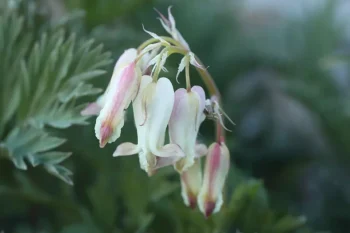
Sierra Bleeding Heart: A Delicate Mountain Beauty for Your Shade Garden
If you’re enchanted by delicate woodland flowers and have a soft spot for California’s native flora, the Sierra bleeding heart might just steal your gardening heart. This charming perennial brings a touch of mountain magic to shade gardens with its distinctive heart-shaped blooms and graceful, fern-like foliage.
What is Sierra Bleeding Heart?
Sierra bleeding heart (Dicentra nevadensis) is a native California perennial that belongs to the bleeding heart family. Unlike its more common garden cousins, this mountain dweller is perfectly adapted to the unique conditions of the Sierra Nevada range. It’s a herbaceous perennial, meaning it dies back to the ground each winter and emerges fresh each spring – no woody stems to worry about!
Where Does It Call Home?
This beautiful native is exclusively found in California, where it graces the Sierra Nevada mountains with its presence. You’ll typically find it growing naturally at higher elevations, nestled among rocks and in woodland clearings where it can enjoy cool, moist conditions.
- Species observed
- No observations
Why Grow Sierra Bleeding Heart?
There are several compelling reasons to consider this native gem for your garden:
- Native plant benefits: Supporting local ecosystems and wildlife
- Unique beauty: Heart-shaped flowers in soft pink to white tones
- Shade tolerance: Perfect for those tricky shaded spots
- Pollinator friendly: Attracts bees and other beneficial insects
- Low maintenance: Once established, it’s quite self-sufficient
Important Conservation Note
Before you rush to add this beauty to your garden, here’s something crucial to know: Sierra bleeding heart has a vulnerable conservation status. This means it’s rare and faces potential threats in the wild. If you decide to grow it, please ensure you source your plants or seeds from reputable native plant nurseries that propagate their stock responsibly – never collect from wild populations!
Garden Design and Landscape Role
Sierra bleeding heart shines in woodland gardens and shaded borders where its delicate texture can be fully appreciated. It makes an excellent groundcover in naturalized settings and pairs beautifully with other shade-loving natives like ferns, wild ginger, and woodland strawberry. The plant’s low-growing habit and spreading nature make it ideal for filling in spaces under trees or along shaded pathways.
Growing Conditions and Care
This mountain native has some specific preferences that mirror its natural habitat:
- Light: Partial to full shade (direct sun can stress the plant)
- Soil: Well-draining, consistently moist soil rich in organic matter
- Climate: USDA hardiness zones 5-8, prefers cooler conditions
- Water: Regular watering, especially during dry spells
Planting and Care Tips
Getting your Sierra bleeding heart established successfully requires mimicking its mountain home:
- Plant in spring after the last frost when soil is workable
- Choose a location with morning sun and afternoon shade
- Amend heavy clay soils with compost to improve drainage
- Mulch around the base to retain moisture and keep roots cool
- Water regularly but avoid waterlogged conditions
- Allow the plant to go dormant naturally in winter
Is Sierra Bleeding Heart Right for Your Garden?
This native beauty is perfect for gardeners in California who want to support local ecosystems while enjoying unique, delicate flowers. It’s especially well-suited for those with established shade gardens or woodland settings. However, gardeners outside California might want to explore bleeding heart species native to their region instead.
If you have the right growing conditions and can source plants responsibly, Sierra bleeding heart offers a wonderful way to bring a piece of California’s mountain heritage into your garden. Just remember – with great beauty comes great responsibility to protect this vulnerable species for future generations to enjoy!