Sierra Brodiaea: A Charming Native Bulb for California Gardens
If you’re looking to add some authentic California charm to your garden, meet the Sierra brodiaea (Brodiaea minor) – a delightful native bulb that’s been quietly decorating the Golden State’s foothills for centuries. This unassuming perennial might not be the showiest plant in your garden, but it brings something special that many gardeners crave: genuine local heritage and effortless beauty.
What Makes Sierra Brodiaea Special?
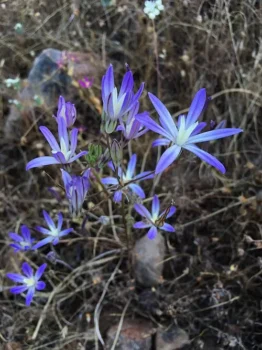
Sierra brodiaea is a true California native, naturally occurring only within the state’s borders. This perennial bulb produces charming clusters of blue to purple funnel-shaped flowers that dance atop slender stems, typically reaching 6 to 24 inches in height. The flowers appear in late spring to early summer, creating lovely splashes of color just as many other wildflowers are finishing their show.
You might also encounter this plant under some of its historical names, including Brodiaea grandiflora var. minor or Brodiaea purdyi, but don’t let the name confusion fool you – they’re all referring to the same wonderful little bulb.
Where Does It Grow?
Sierra brodiaea calls California home, with its natural range concentrated in the Sierra Nevada foothills and surrounding areas. This native has adapted perfectly to the state’s Mediterranean climate, making it an excellent choice for gardeners wanting to work with nature rather than against it.
- Species observed
- No observations
Why Grow Sierra Brodiaea in Your Garden?
There are several compelling reasons to consider adding this native beauty to your landscape:
- Authentic native appeal: Support local ecosystems while creating a genuine sense of place in your garden
- Pollinator magnet: The nectar-rich flowers attract native bees, butterflies, and other beneficial insects
- Low maintenance: Once established, it requires minimal care and thrives on neglect
- Drought tolerance: Perfect for water-wise gardening and Mediterranean-style landscapes
- Seasonal interest: Provides beautiful spring to early summer blooms when many gardens need a color boost
Perfect Garden Settings
Sierra brodiaea shines in several garden styles and settings:
- Native plant gardens and California-themed landscapes
- Drought-tolerant and Mediterranean-style gardens
- Wildflower meadows and naturalized areas
- Rock gardens and well-draining slopes
- Mixed perennial borders where it can weave through other plants
Growing Conditions and Care
One of the best things about Sierra brodiaea is how well it adapts to California’s natural growing conditions. Here’s what it needs to thrive:
Sunlight: Full sun to partial shade – it’s quite flexible about lighting conditions
Soil: Well-draining soil is absolutely essential. This bulb cannot tolerate wet feet, especially during its summer dormancy period
Water: Moderate water during the growing season, but keep it dry during summer dormancy – just like California’s natural rainfall pattern
Climate: Hardy in USDA zones 7-10, making it suitable for most of California’s climate zones
Planting and Care Tips
Success with Sierra brodiaea comes down to mimicking its natural habitat:
- Plant timing: Set bulbs in the ground during fall, before the winter rains arrive
- Soil preparation: Ensure excellent drainage – add sand or gravel to heavy soils if needed
- Summer care: Allow the plant to go completely dormant in summer with little to no water
- Foliage management: Let leaves die back naturally to feed the bulb for next year’s display
- Companion planting: Pair with other California natives like poppies, lupines, and native grasses
A Few Things to Keep in Mind
While Sierra brodiaea is generally easy to grow, there are a couple of considerations:
The plant goes completely dormant in summer, so don’t panic when it disappears – it’s just following California’s natural rhythm of wet winters and dry summers. Also, because it requires such good drainage, it may not be suitable for gardens with heavy clay soil unless you’re willing to do some soil amendment work.
The Bottom Line
Sierra brodiaea represents everything that’s wonderful about California native gardening: authentic beauty, ecological value, and low-maintenance charm. While it may not be the star of your garden, it’s the kind of plant that adds subtle elegance and supports local wildlife. For gardeners committed to creating sustainable, water-wise landscapes that celebrate California’s natural heritage, Sierra brodiaea is definitely worth considering.
Whether you’re creating a full native plant garden or just want to add a few authentic local touches to your landscape, this charming little bulb offers a perfect way to connect your garden to the natural world around you.