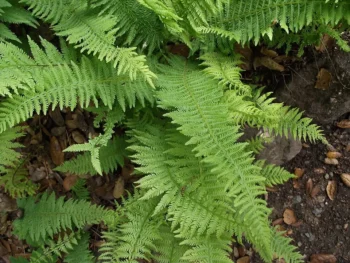
Sierra Marsh Fern: A Delicate Native Beauty for Your Shade Garden
If you’ve been searching for a graceful native fern to add some woodland magic to your garden, meet the Sierra marsh fern (Thelypteris nevadensis). This charming Pacific Northwest native brings delicate texture and vibrant green color to shady spots where many other plants struggle to thrive.
What is Sierra Marsh Fern?
Sierra marsh fern is a perennial fern that belongs to the forb family—essentially a non-woody plant that comes back year after year. Unlike flowering plants, this beauty reproduces through spores rather than seeds, and you’ll never see it bloom. What you will see are elegant, lacy fronds that create a soft, almost ethereal presence in the garden.
This fern goes by several scientific names in botanical circles, including Dryopteris nevadensis, Dryopteris oregana, and Parathelypteris nevadensis, but don’t let the tongue-twisting synonyms intimidate you—it’s still the same lovely plant!
Where Does It Come From?
Sierra marsh fern is a proud native of western North America, calling British Columbia, California, Idaho, Oregon, and Washington home. As a true native species, it has evolved alongside local wildlife and naturally fits into regional ecosystems.
- Species observed
- No observations
Is It Beneficial for Your Garden?
Absolutely! Here’s why Sierra marsh fern deserves a spot in your landscape:
- Native plant benefits: Supports local ecosystems and requires less maintenance once established
- Shade solution: Thrives in areas where sun-loving plants fail
- Texture contrast: Delicate fronds provide beautiful contrast against broader-leafed plants
- Seasonal interest: Fresh spring growth and attractive fall dormancy
- Low maintenance: Once established, needs minimal care
Perfect Garden Settings
Sierra marsh fern shines in:
- Woodland and shade gardens
- Native plant landscapes
- Bog or rain gardens
- Naturalized areas near water features
- Understory plantings beneath trees
Growing Conditions and Care
This fern is fairly particular about its preferred conditions, which makes sense given its marsh common name. Sierra marsh fern thrives in:
- Light: Partial to full shade
- Moisture: Consistently moist to wet soil—it’s facultative, meaning it can handle both wetland and non-wetland conditions
- Hardiness: Zones 5-9, making it suitable for most temperate climates
- Soil: Rich, organic matter with good drainage despite moisture needs
How to Identify Sierra Marsh Fern
Look for these distinctive features:
- Delicate, lacy fronds with a bright green color
- Deciduous habit—fronds die back in winter
- Grows in clumping formation
- Prefers moist, shaded locations
- Spore-producing structures (sori) on the undersides of fronds
Planting and Care Tips
Getting started with Sierra marsh fern is straightforward:
- Plant in spring when soil is workable
- Choose a consistently moist, shaded location
- Amend soil with organic matter for best results
- Mulch around plants to retain moisture
- Cut back dead fronds in late fall or early spring
- Divide established clumps every 3-4 years to maintain vigor
Wildlife and Pollinator Considerations
While Sierra marsh fern doesn’t produce flowers for pollinators, it still contributes to garden ecosystems by providing habitat structure and supporting the complex web of soil organisms that many native creatures depend on. As a native species, it naturally integrates with local wildlife patterns.
The Bottom Line
Sierra marsh fern is an excellent choice for gardeners looking to add native beauty to shady, moist areas. Its delicate appearance might fool you into thinking it’s high-maintenance, but this adaptable fern is quite resilient once established in the right conditions. Whether you’re creating a woodland garden or naturalizing a wet area, this charming native will reward you with seasons of graceful, textural interest.