Sierra Milkvetch: A Rare Alpine Gem for Specialized Gardens
If you’re passionate about native plants and have a soft spot for rare alpine beauties, Sierra milkvetch (Astragalus lentiginosus var. sierrae) might just capture your gardening heart. This charming perennial is a true California native that brings a touch of high-mountain magic to the right garden setting.
What Makes Sierra Milkvetch Special?
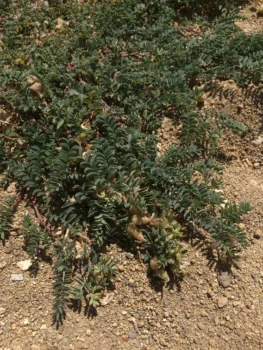
Sierra milkvetch is a perennial member of the legume family that’s perfectly adapted to life in California’s Sierra Nevada mountains. With its delicate compound leaves that shimmer with a silvery-green hue and clusters of small, pea-like flowers ranging from white to pale purple, this plant offers subtle but distinctive beauty that’s hard to find elsewhere.
What really sets this plant apart is its rarity. Sierra milkvetch has a Global Conservation Status of S5T2, meaning it’s considered rare and deserving of conservation attention. This makes it a special addition for gardeners who want to support native plant conservation.
Where Does It Call Home?
This variety is endemic to California, specifically the Sierra Nevada mountain range. In the wild, you’ll find it thriving in alpine and subalpine zones where few other plants can survive the harsh conditions.
- Species observed
- No observations
Should You Grow Sierra Milkvetch?
Here’s the honest truth: Sierra milkvetch isn’t for everyone, and that’s perfectly okay! This plant has very specific needs that make it challenging but rewarding for the right gardener.
You should consider Sierra milkvetch if you:
- Have experience with alpine or rock garden plants
- Can provide excellent drainage and minimal water
- Want to support conservation of rare native plants
- Have a rock garden, alpine garden, or specialized native plant collection
- Live in USDA hardiness zones 5-8
You might want to skip this one if you:
- Prefer low-maintenance, forgiving plants
- Have heavy clay soil or poor drainage
- Want a showy, eye-catching centerpiece plant
- Live in very hot, humid climates
Growing Conditions: Getting It Right
Sierra milkvetch is all about mimicking its mountain home. Think rocky, well-draining conditions with plenty of sun and not much water.
Essential growing requirements:
- Soil: Well-draining, rocky or sandy soil is absolutely critical
- Water: Low water needs once established – overwatering is often fatal
- Sun: Full sun, though some afternoon shade in hot climates can help
- Temperature: Prefers cool temperatures and good air circulation
Planting and Care Tips
Success with Sierra milkvetch starts with preparation. Create a planting site with exceptional drainage – consider raised beds or slopes if your soil tends to hold water.
Plant in spring after the last frost, and water sparingly during establishment. Once settled, this tough little plant can handle drought conditions that would stress many other perennials.
The key to long-term success? Less is more. Avoid fertilizers, keep watering to a minimum, and resist the urge to fuss over it too much.
Wildlife and Pollinator Benefits
Despite its small stature, Sierra milkvetch pulls its weight in the ecosystem. Its flowers attract native bees and other small pollinators, making it a valuable addition to pollinator-friendly gardens. As a legume, it also helps fix nitrogen in the soil, potentially benefiting neighboring plants.
A Word About Responsible Growing
Because Sierra milkvetch is rare in the wild, it’s crucial to source plants or seeds responsibly. Never collect from wild populations, and only purchase from reputable native plant nurseries that can verify their plants are nursery-propagated, not wild-collected.
By growing this special plant responsibly, you’re not just adding beauty to your garden – you’re participating in conservation efforts that help protect California’s unique alpine flora for future generations.
The Bottom Line
Sierra milkvetch isn’t the easiest native plant to grow, but for gardeners who appreciate rare alpine species and can provide the right conditions, it’s a rewarding choice. Its subtle beauty, conservation value, and pollinator benefits make it a worthy addition to specialized native plant gardens.
Just remember: this is a plant that rewards patience, proper placement, and a hands-off approach once established. If you’re up for the challenge, Sierra milkvetch might just become one of your garden’s most treasured residents.