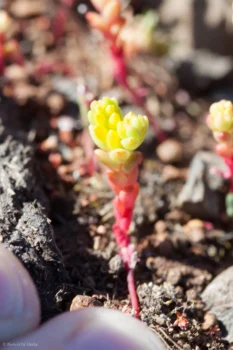
Sierra Mock Stonecrop: A Tiny Native Gem for Western Gardens
If you’re looking for a delicate native annual that packs a surprising punch in rock gardens and dry landscapes, meet Sierra mock stonecrop (Sedella pumila). This diminutive California and Oregon native might be small in stature, but it’s big on charm and perfectly adapted to western growing conditions.
What is Sierra Mock Stonecrop?
Sierra mock stonecrop is a native annual forb that belongs to the succulent family, though you might not immediately recognize its succulent nature. Unlike its chunkier cousins, this little plant forms low, spreading mats with tiny, fleshy leaves and produces clusters of small white to pinkish flowers. As an annual, it completes its entire life cycle in one growing season, but don’t let that fool you into thinking it’s not worth planting!
You might also encounter this plant listed under its synonym Parvisedum pumilum, but Sedella pumila is the currently accepted botanical name.
Where Does It Grow Naturally?
This native beauty calls California and Oregon home, where it thrives in the diverse landscapes of the western states. As a plant native to the lower 48 states, it’s perfectly adapted to the unique growing conditions found in these regions.
- Species observed
- No observations
Why Consider Growing Sierra Mock Stonecrop?
There are several compelling reasons to add this native annual to your garden:
- Native plant benefits: Supporting local ecosystems and providing habitat for native wildlife
- Drought tolerance: Once established, it requires minimal supplemental watering
- Pollinator support: The small flowers attract native bees, flies, and other beneficial insects
- Low maintenance: Perfect for gardeners who prefer plants that largely take care of themselves
- Unique texture: Adds interesting ground-level detail to rock gardens and naturalized areas
A Note About Conservation
Sierra mock stonecrop has a global conservation status of S3?, which indicates some uncertainty about its population status. While this doesn’t mean you shouldn’t grow it, it does suggest you should source seeds or plants responsibly from reputable native plant nurseries rather than collecting from wild populations.
Perfect Garden Settings
Sierra mock stonecrop shines in:
- Rock gardens and alpine collections
- Mediterranean-style landscapes
- Drought-tolerant and xeriscaping projects
- Naturalized areas and wildflower meadows
- Container gardens with other small natives
Its facultative wetland status means it can handle both dry conditions and occasional moisture, making it quite versatile for different garden situations.
Growing Conditions and Care
This adaptable little plant is surprisingly easy to grow when you match its preferences:
- Sunlight: Full sun to partial shade
- Soil: Well-draining, sandy, or rocky soils (excellent drainage is crucial)
- Water: Drought tolerant once established; avoid overwatering
- USDA Zones: 8-10 (based on its native range)
- pH: Adaptable to various soil pH levels
Planting and Propagation Tips
Since Sierra mock stonecrop is an annual, the easiest way to establish it is through direct seeding:
- Sow seeds in fall for spring germination
- Scatter seeds on prepared soil surface and barely cover
- Keep soil lightly moist until germination occurs
- Once established, the plants often self-seed for next year’s display
- Space isn’t critical since the plants naturally form spreading mats
What to Expect
As an annual forb, Sierra mock stonecrop will germinate in spring, grow throughout the season forming low mats of succulent-like foliage, bloom with tiny clusters of white to pink flowers, set seed, and complete its cycle by fall. The beauty is in its delicate texture and the way it weaves between rocks and other plants, creating a naturalistic carpet effect.
Is Sierra Mock Stonecrop Right for Your Garden?
This native annual is perfect for gardeners who appreciate subtle beauty and want to support local ecosystems. It’s ideal if you’re creating drought-tolerant landscapes, rock gardens, or naturalized areas in California and Oregon. However, if you’re looking for showy, long-lasting perennial color or live outside its natural hardiness zones, you might want to consider other native alternatives.
Remember to source your seeds responsibly and enjoy watching this charming native annual establish itself as a delightful, low-maintenance addition to your western garden!