Sierra Pussytoes: A Charming Native Groundcover for Mountain Gardens
If you’re looking to add a touch of alpine charm to your garden, Sierra pussytoes might just be the perfect native plant for you. This delightful little perennial brings the rugged beauty of California and Nevada’s high country right to your backyard, complete with fuzzy silver foliage and clusters of tiny white flowers that look almost too cute to be real.
What Makes Sierra Pussytoes Special
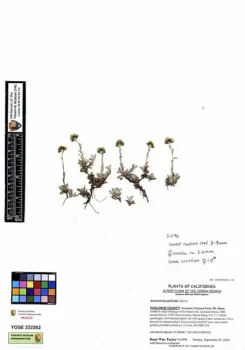
Sierra pussytoes (Antennaria pulchella) is a native perennial forb that’s perfectly adapted to life in challenging mountain environments. This low-growing plant forms attractive mats of silvery-gray leaves covered in soft, woolly hairs that give it an almost ethereal appearance. The small white flower clusters appear in spring and early summer, creating a delicate carpet of blooms that pollinators absolutely love.
Where You’ll Find It Growing Wild
This charming native calls the mountainous regions of California and Nevada home, particularly thriving in the Sierra Nevada range. It’s a true alpine specialist, naturally occurring in high-elevation areas where most plants would struggle to survive.
- Species observed
- No observations
A Plant That Needs Our Help
Important conservation note: Sierra pussytoes has a vulnerable conservation status, meaning it’s at risk in the wild due to its limited range and specific habitat requirements. If you decide to grow this beautiful native, please make sure you source it from reputable nurseries that propagate their plants responsibly rather than collecting from wild populations.
Perfect Spots for Sierra Pussytoes in Your Garden
This adaptable little plant works wonderfully in several garden settings:
- Rock gardens: Its low, spreading habit makes it perfect for tucking between stones
- Alpine gardens: Brings authentic mountain character to high-elevation themed spaces
- Native plant gardens: An excellent choice for California and Nevada native landscapes
- Xeriscaping: Extremely drought-tolerant once established
- Groundcover: Creates attractive, low-maintenance carpets in appropriate areas
Growing Conditions That Make It Happy
Sierra pussytoes is surprisingly easy to grow if you can mimic its natural mountain habitat:
- Sunlight: Full sun to partial shade
- Soil: Well-draining is absolutely essential – soggy soil is a death sentence
- Water: Drought-tolerant once established; prefers dry conditions
- Climate: Hardy in USDA zones 4-8
- Wetland tolerance: Facultative, meaning it can handle both wet and dry conditions, though it prefers the drier side
Planting and Care Tips
Getting Sierra pussytoes established is straightforward if you follow these guidelines:
- Drainage first: Amend heavy clay soils with sand or gravel to improve drainage
- Spring planting: Best planted in spring after the last frost
- Watering: Water regularly during the first growing season, then reduce significantly
- Fertilizer: Generally unnecessary – this plant is adapted to poor soils
- Maintenance: Very low maintenance once established
Wildlife and Pollinator Benefits
While Sierra pussytoes may be small, it punches above its weight when it comes to supporting local wildlife. The flowers attract native bees and other beneficial insects, making it a valuable addition to pollinator-friendly gardens. Its low-growing nature also provides shelter for small beneficial insects.
Is Sierra Pussytoes Right for Your Garden?
Sierra pussytoes is an excellent choice for gardeners who:
- Live in areas with similar climate conditions to its native range
- Want to support native plant conservation
- Appreciate subtle, naturalistic beauty over flashy displays
- Need drought-tolerant groundcover options
- Are creating alpine or rock garden themes
However, it might not be the best fit if you’re looking for a plant that thrives in humid conditions, heavy clay soils, or areas with poor drainage. Remember, sourcing this vulnerable species responsibly is crucial for its long-term survival in the wild.
With proper care and the right growing conditions, Sierra pussytoes can bring a piece of California and Nevada’s beautiful high country to your garden while supporting local pollinators and native plant conservation efforts.