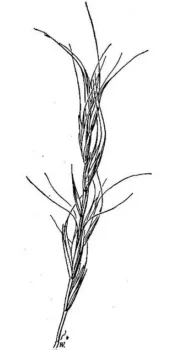
Sierra Wildrye: A Native Grass Worth Getting to Know
If you’re looking to add authentic Western character to your landscape, Sierra wildrye (Elymus sierrus) might just be the native grass you’ve been searching for. This perennial beauty brings the wild spirit of the Sierra Nevada right to your backyard, though it comes with a few considerations that responsible gardeners should know about.
What Is Sierra Wildrye?
Sierra wildrye is a native perennial grass that calls California and Nevada home. As its name suggests, this hardy plant has adapted to life in some of the most spectacular mountain landscapes in North America. It’s part of the large wildrye family, known for their distinctive seed heads and ability to thrive in challenging conditions.
You might occasionally see this grass listed under other scientific names in older references, including Agropyron pringlei or Elymus sierrae, but Elymus sierrus is the currently accepted botanical name.
Where Does Sierra Wildrye Grow?
This native grass has a relatively limited natural range, growing primarily in California and Nevada. Its distribution follows the mountainous regions where it has evolved to handle the unique climate challenges of these areas.
- Species observed
- No observations
A Note About Conservation
Before we dive into growing tips, there’s something important to discuss. Sierra wildrye has a conservation status that suggests it may face some challenges in the wild. If you’re interested in growing this grass, please make sure to source your plants or seeds from reputable native plant nurseries that practice responsible collection methods. Never collect from wild populations.
Why Consider Sierra Wildrye for Your Garden?
This native grass offers several appealing qualities for the right landscape:
- Authentic regional character: Few plants capture the essence of Western mountain landscapes quite like native wildrye grasses
- Low maintenance: Once established, native grasses typically require minimal care
- Drought tolerance: Like many native Western plants, it’s adapted to survive with minimal water
- Wildlife habitat: Native grasses provide important habitat and food sources for local wildlife
Where Sierra Wildrye Shines
This grass works best in naturalistic landscapes that celebrate the beauty of native plant communities. Consider Sierra wildrye for:
- Native plant gardens
- Wildlife habitat restoration projects
- Erosion control on slopes
- Low-water mountain-style landscapes
Growing Conditions
While specific growing requirements for Sierra wildrye aren’t extensively documented, we can make educated assumptions based on its native habitat and the needs of related wildrye grasses:
- Sun exposure: Likely prefers full sun to partial shade
- Soil: Probably adaptable to various soil types, as long as drainage is adequate
- Water: Drought-tolerant once established, typical of mountain-adapted plants
- Climate: Hardy in areas with conditions similar to its native California and Nevada range
Planting and Care Tips
Since Sierra wildrye isn’t commonly available in the nursery trade, growing it successfully requires some patience and planning:
- Start with seeds: You’re more likely to find seeds than plants, and native grasses often establish better from seed anyway
- Time it right: Fall planting often works best for native grasses in Western climates
- Be patient: Native grasses can be slow to establish, but they’re worth the wait
- Minimal fertilization: Native plants typically don’t need rich soils and may actually perform poorly with too much fertilizer
The Bottom Line
Sierra wildrye is a grass for the dedicated native plant gardener who values authenticity and conservation. While it may not be the easiest plant to find or grow, it offers something special: a genuine connection to the wild landscapes of the Sierra Nevada. If you can source it responsibly and provide appropriate growing conditions, this native grass can be a meaningful addition to wildlife-friendly, low-water landscapes.
Just remember to respect its conservation status and always choose responsibly sourced material. Your garden – and the local ecosystem – will benefit from this thoughtful approach to native gardening.