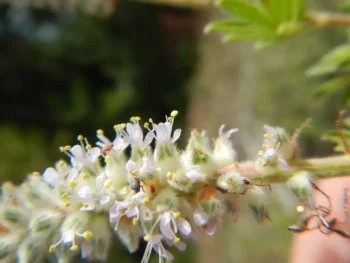
Silky Prairie Clover: A Rare Native Gem Worth Protecting
Meet the silky prairie clover (Dalea villosa var. grisea), a little-known native wildflower that deserves our attention—not necessarily for your garden, but for its conservation story. This perennial forb represents one of nature’s more elusive treasures, quietly existing in a handful of southern states while facing increasing pressure from habitat loss.
What Makes This Plant Special
The silky prairie clover belongs to the legume family and grows as a herbaceous perennial, meaning it lacks woody stems but returns year after year from its root system. Unlike shrubs or trees, this plant maintains all its growing points at or below ground level, making it perfectly adapted to prairie and grassland environments where fire and grazing were historically common.
You might also see this plant referenced by its scientific synonym, Petalostemon griseus, in older botanical literature—just different names for the same rare beauty.
Where You’ll Find Silky Prairie Clover
This native wildflower calls only three states home: Arkansas, Louisiana, and Texas. Its limited range makes it a true regional specialist, adapted to the specific climate and soil conditions of the south-central United States.
- Species observed
- No observations
A Conservation Concern
Here’s where things get serious: silky prairie clover carries a rarity status of S1 in Arkansas, meaning it’s critically imperiled in that state. This designation indicates that the plant faces a high risk of extinction due to extreme rarity, with typically fewer than five known populations or very few remaining individuals.
What this means for gardeners: While we absolutely support growing native plants, this particular species requires special consideration. If you’re interested in cultivating silky prairie clover, it’s crucial to source seeds or plants only from reputable native plant nurseries that use ethically collected, locally appropriate genetic material.
Limited Growing Information
Due to its rarity, detailed cultivation information for Dalea villosa var. grisea is unfortunately scarce. Most gardening resources focus on more common prairie clovers, leaving this variety somewhat mysterious in terms of specific growing requirements.
What we do know is that as a prairie species, it likely prefers:
- Well-draining soils
- Full sun exposure
- Minimal supplemental watering once established
- Native plant community companions
Consider These Alternatives
If you’re drawn to prairie clovers for your native garden, consider these more readily available relatives that can provide similar ecological benefits without conservation concerns:
- Purple prairie clover (Dalea purpurea)
- White prairie clover (Dalea candida)
- Roundhead prairie clover (Dalea multiflora)
These alternatives offer the same legume family benefits—nitrogen fixation, pollinator support, and authentic prairie character—while being much more suitable for home gardens.
The Bigger Picture
Sometimes the most important thing we can do for a native plant is simply to know it exists and understand its conservation needs. Silky prairie clover reminds us that biodiversity includes not just the showstoppers, but also the quiet specialists that have carved out specific niches in our ecosystems.
By supporting habitat conservation, choosing appropriate common natives for our gardens, and sourcing plants responsibly, we all play a role in protecting species like this remarkable prairie clover for future generations.