Silver Chickensage: A Silvery Gem for Rocky Mountain Gardens
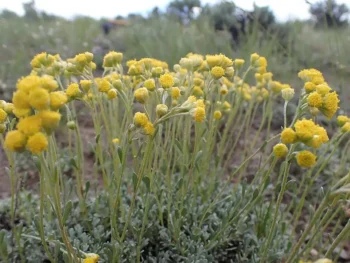
If you’re looking for a tough, drought-tolerant native that brings a touch of silver magic to your garden, meet silver chickensage (Sphaeromeria argentea). This hardy little perennial might not be the showiest plant in your landscape, but what it lacks in flashy blooms, it more than makes up for in resilience and unique silvery charm.
What is Silver Chickensage?
Silver chickensage is a native perennial forb that belongs to the sunflower family. As a forb herb, it’s a vascular plant without significant woody tissue, forming low, cushion-like mounds of silvery foliage. You might also see it listed under its botanical synonym, Tanacetum nuttallii, in older references.
This plant has earned its conservation status of S3S4, meaning its populations range from vulnerable to apparently secure. While not critically endangered, it’s worth being mindful about sourcing—always purchase from reputable native plant nurseries that use responsibly collected seed.
Where Does Silver Chickensage Call Home?
Silver chickensage is native to the high-elevation regions of the American West, naturally occurring across Colorado, Idaho, Montana, Nevada, and Wyoming. You’ll find it thriving in rocky, mountainous terrain where many other plants struggle to survive.
- Species observed
- No observations
Why Grow Silver Chickensage?
Here’s why this unassuming native might just become your new favorite garden addition:
- Drought Champion: Once established, silver chickensage laughs in the face of dry conditions
- Unique Texture: The silvery-white foliage adds striking contrast to green-heavy landscapes
- Pollinator Friendly: Small yellow flowers attract native bees and beneficial insects
- Low Maintenance: Perfect for gardeners who want beauty without the fuss
- Native Wildlife Support: Supports local ecosystems by providing habitat for native species
Perfect Garden Scenarios
Silver chickensage shines brightest in:
- Rock Gardens: Its compact, cushion-like form nestles beautifully between stones
- Alpine Gardens: Mimics its natural high-altitude habitat
- Xeriscape Designs: A water-wise champion for drought-tolerant landscapes
- Native Plant Gardens: Pairs wonderfully with other Rocky Mountain natives
Growing Silver Chickensage Successfully
Location and Climate
Silver chickensage thrives in USDA hardiness zones 4-7, making it suitable for areas with cold winters and moderate summers. It prefers full sun locations where it can bask in bright light all day long.
Soil Requirements
The golden rule for silver chickensage: drainage is everything! This plant absolutely requires well-draining, sandy, or rocky soil. Heavy clay or water-retentive soils are a death sentence for this mountain native. If your soil tends to hold water, consider raised beds or rock gardens with amended soil.
Planting and Care Tips
- Timing: Plant in spring after the last frost or early fall
- Spacing: Allow adequate space for the plant’s spreading, cushion-like growth
- Watering: Water regularly the first season to establish roots, then reduce to minimal supplemental watering
- Fertilizing: Avoid rich soils and fertilizers—this plant prefers lean conditions
- Maintenance: Minimal pruning needed; allow flowers to set seed for wildlife
A Word About Conservation
Given silver chickensage’s S3S4 conservation status, it’s important to source plants responsibly. Always purchase from reputable native plant nurseries that grow from ethically collected seed rather than wild-harvested plants. This helps protect wild populations while still allowing you to enjoy this beautiful native in your garden.
The Bottom Line
Silver chickensage might not be the flashiest plant in the native garden, but it’s certainly one of the most reliable. If you’re gardening in the Rocky Mountain region or similar climate, and you need a drought-tolerant, low-maintenance plant that supports local wildlife, silver chickensage deserves a spot in your landscape. Just remember to give it the well-draining conditions it craves, and it’ll reward you with years of silvery beauty and ecological benefits.