Silverleaf Sunray: A Rare Desert Gem Worth Growing Responsibly
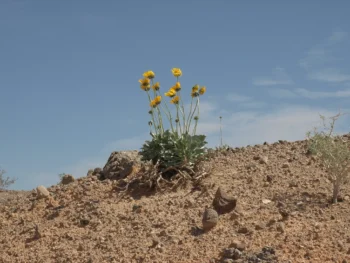
Meet the silverleaf sunray (Enceliopsis argophylla), a stunning perennial that’s like finding a hidden treasure in the desert Southwest. With its brilliant yellow blooms and distinctive silvery foliage, this native beauty is a showstopper that deserves a spot in your water-wise garden—but there’s an important catch we need to talk about first.
A Rare Beauty That Needs Our Help
Before we dive into growing tips, here’s something crucial: silverleaf sunray is considered imperiled, with a conservation status of S2. This means there are typically only 6 to 20 known populations remaining, with roughly 1,000 to 3,000 individual plants left in the wild. If you’re considering adding this plant to your garden, please only source it from reputable native plant nurseries that propagate their own stock rather than collecting from wild populations.
Where This Desert Native Calls Home
Silverleaf sunray is a true Southwestern native, naturally found across Arizona, Nevada, and Utah. It’s perfectly adapted to the harsh desert conditions of these regions, making it an excellent choice for gardeners in similar climates who want to support local ecosystems.
- Species observed
- No observations
What Makes Silverleaf Sunray Special
This perennial forb (that’s garden-speak for a non-woody flowering plant) brings some serious visual appeal to drought-tolerant landscapes:
- Bright yellow, daisy-like flowers that bloom from spring through fall
- Distinctive silvery-gray foliage that provides year-round interest
- Compact size: typically grows 1-4 feet tall and 2-3 feet wide
- Attracts bees, butterflies, and other important pollinators
Perfect for Water-Wise Gardens
If you’re creating a drought-tolerant landscape or native plant garden, silverleaf sunray could be your new best friend. It’s ideally suited for:
- Xeriscaping projects
- Desert and rock gardens
- Native plant collections
- Wildlife and pollinator gardens
- Low-maintenance landscapes
Growing Conditions: Keep It Simple
One of the best things about silverleaf sunray is that it’s relatively low-maintenance once established. Here’s what it needs to thrive:
- Sunlight: Full sun (at least 6 hours daily)
- Soil: Well-draining, sandy or rocky soil
- Water: Low water needs once established
- Hardiness: USDA zones 4-9
Planting and Care Tips
Getting your silverleaf sunray off to a good start is easier than you might think:
- Best planting time: Fall is ideal, giving roots time to establish before summer heat
- Spacing: Plant 2-3 feet apart to allow for mature spread
- Watering: Water regularly the first year, then reduce to occasional deep watering
- Maintenance: Minimal pruning needed; deadhead spent flowers to encourage more blooms
- Fertilizing: Generally unnecessary—this plant is adapted to poor soils
Why Choose Silverleaf Sunray?
Beyond its obvious beauty, growing silverleaf sunray helps support native biodiversity and provides food for local pollinators. It’s an excellent conversation starter about native plant conservation and demonstrates how beautiful sustainable gardening can be.
Just remember: if you decide to grow this rare gem, make sure you’re sourcing it responsibly. By choosing nursery-propagated plants over wild-collected specimens, you’re helping ensure future generations can enjoy silverleaf sunray both in gardens and in its natural habitat.
Sometimes the most special plants are the ones that ask us to be a little more thoughtful about how we garden—and silverleaf sunray is definitely worth that extra consideration.