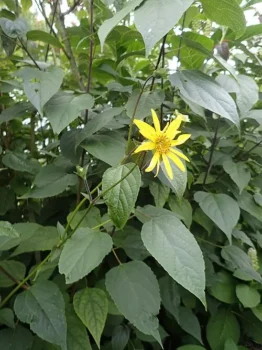
Simpson’s Rosinweed: A Rare Florida Native Worth Protecting in Your Garden
If you’re passionate about Florida native plants and conservation, Simpson’s rosinweed (Silphium simpsonii) deserves a spot on your radar. This lesser-known perennial wildflower is not just beautiful—it’s a rare gem that plays an important role in Florida’s natural heritage. But before you rush to plant it, there are some important things every gardener should know about this special species.
What Makes Simpson’s Rosinweed Special?
Simpson’s rosinweed is a herbaceous perennial forb, meaning it’s a non-woody plant that returns year after year. As a member of the Silphium genus, it shares family traits with other rosinweeds, producing cheerful yellow composite flowers that light up the landscape in late summer and fall.
What sets this plant apart is its exclusive Florida heritage. Unlike its more widespread cousins, Simpson’s rosinweed is found only in the Sunshine State, making it a true Florida endemic. This narrow distribution contributes to its conservation status of S3?Q, which indicates it may be rare and potentially vulnerable.
Where Does Simpson’s Rosinweed Grow?
Simpson’s rosinweed calls Florida home, specifically thriving in the state’s unique scrub and sandhill ecosystems. This plant has evolved to love the well-drained sandy soils and sunny conditions that characterize central Florida’s natural areas.
- Species observed
- No observations
A Conservation Consideration
Here’s where things get important: Simpson’s rosinweed has a conservation status that suggests it may be rare or uncommon in the wild. This means if you want to grow this plant, you should only obtain it from reputable native plant nurseries that propagate their stock responsibly—never collect from wild populations.
By growing Simpson’s rosinweed in your garden, you’re actually contributing to conservation efforts. Every garden that hosts this species provides a refuge and helps ensure its survival for future generations.
Growing Simpson’s Rosinweed Successfully
Ideal Growing Conditions
- Sunlight: Full sun exposure
- Soil: Well-drained, sandy soil (mimicking natural scrub conditions)
- Climate: USDA hardiness zones 9-10
- Moisture: Drought tolerant once established
Planting and Care Tips
Simpson’s rosinweed is refreshingly low-maintenance once you understand its needs:
- Plant in spring after the last frost
- Choose the sunniest spot in your garden
- Ensure excellent drainage—soggy soil is this plant’s enemy
- Water regularly during establishment, then back off
- Avoid fertilizing, as it prefers lean soils
- Allow natural reseeding for population expansion
Wildlife and Pollinator Benefits
Like other members of the Silphium family, Simpson’s rosinweed is a pollinator magnet. Its yellow flowers provide nectar and pollen for native bees, butterflies, and other beneficial insects during its late-season bloom period. This makes it particularly valuable since it flowers when many other plants are winding down for the year.
Garden Design Ideas
Simpson’s rosinweed shines in:
- Native Florida wildflower gardens
- Scrub and sandhill restoration projects
- Butterfly and pollinator gardens
- Low-maintenance landscape areas
- Conservation-focused plantings
The Bottom Line
Simpson’s rosinweed offers Florida gardeners a unique opportunity to grow something truly special while supporting conservation. Its drought tolerance, pollinator appeal, and distinctive Florida heritage make it a worthwhile addition to native plant gardens. Just remember the golden rule: source responsibly from reputable nurseries that propagate rather than collect from wild populations.
By choosing Simpson’s rosinweed, you’re not just adding another pretty flower to your garden—you’re becoming a steward of Florida’s rare botanical treasures. And in a world where native plants face increasing pressure, that’s a beautiful thing indeed.